Future Health Calls for Shift from Reactive Care to Anticipatory Health Ahead of Abu Dhabi Summit.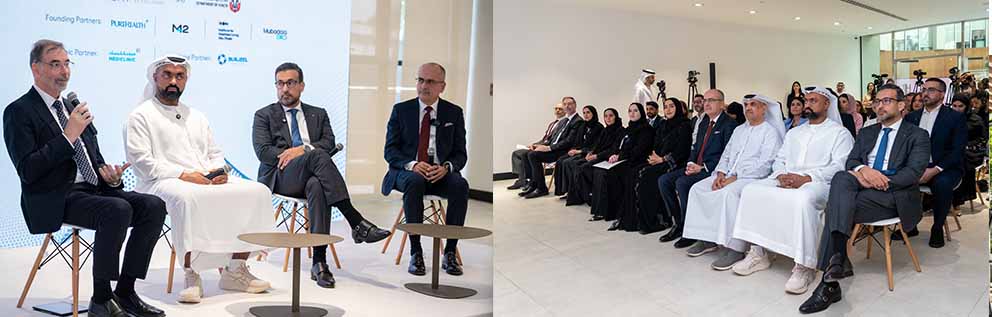
AbuDhabi(News Desk):: Health systems must move beyond reactive treatment and become better equipped to anticipate health risks and intervene before illness escalates, Future Health – A Global Initiative by Abu Dhabi said during a media briefing hosted by the Department of Health – Abu Dhabi (DoH) ahead of the Abu Dhabi Future Health Summit 2026.
Taking place from October 20–22, the summit will be held under the theme “To Sense is to Predict”, placing prevention, precision medicine and health-system readiness at the centre of discussions on how advances in science and technology can contribute to longer and healthier lives.
The initiative highlighted that developments in genomics, precision medicine, artificial intelligence and health data are creating new opportunities to identify health risks earlier. However, translating these capabilities into improved outcomes will require appropriate policies, investment, skilled workforces and public trust.
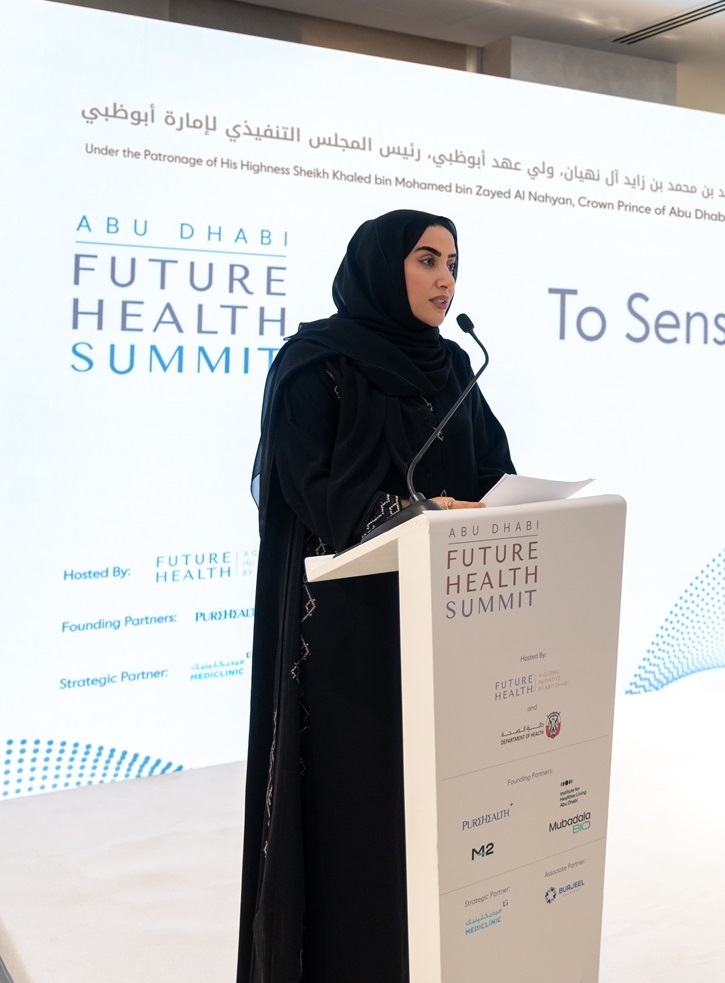
H.E. Dr Noura Khamis Al Ghaithi, Undersecretary of the Department of Health – Abu Dhabi, said the next phase of healthcare would depend on the ability of health systems to act earlier.
“The next chapter of health will be defined by our ability to act earlier,” she said, adding that scientific and technological advances are enabling greater precision in understanding health risks, but their real value depends on how effectively that knowledge is translated into better care and healthier lives.
She said Future Health is bringing together expertise, policy perspectives and investment to help connect discovery with practical action, strengthen healthcare resilience and support longer, healthier lives.
Abu Dhabi Blueprints to Share Local Experience
The briefing also highlighted the Abu Dhabi Blueprints, a knowledge-sharing initiative designed to bring Abu Dhabi’s healthcare experience and expertise into international discussions.
The Blueprints focus on six priority areas: longevity, healthy living, fertility, cancer, rare diseases, and genomics and therapeutics.
The programme will incorporate practical lessons and policy perspectives from Abu Dhabi into selected Future Health content and summit sessions, alongside international experience. The objective is to examine how approaches developed within one healthcare ecosystem can potentially inform policy and practice in other countries.
Healthcare Leaders Discuss Predictive Health
A panel featuring Future Health’s founding partners—PureHealth, M42, the Institute for Healthier Living Abu Dhabi and Mubadala Bio—examined the implications of the “To Sense is to Predict” theme.
The discussion focused on how collaboration between healthcare providers, researchers, technology companies and life-sciences organisations can help transform predictive capabilities into measurable health outcomes.
Adnan Anjum, Group Chief Commercial Officer at PureHealth, said the future of healthcare is centred on sensing risks earlier and intervening before they develop into more serious problems.
Dimitris Moulavasilis, Group CEO of M42, highlighted the importance of combining individual and population-level insights to support earlier diagnosis, targeted therapies and more personalised care.
Hamad Almarzooqi, Deputy Group CEO of Mubadala Bio, stressed that understanding health needs is essential to developing the products and capabilities required across the healthcare journey, while building a resilient life-sciences industry in the UAE.
Meanwhile, Allan Boston, COO of the Institute for Healthier Living Abu Dhabi, said giving individuals greater knowledge about the factors influencing their future health could help change attitudes and encourage healthier lifestyles.
Year-Round Global Health Programme
Future Health operates throughout the year across four key areas: longevity and personalised precision medicine; digital health and artificial intelligence; resilience and sustainability of healthcare systems; and investment in life sciences.
Its activities include the inaugural Future Health Challenge, delivered in partnership with MIT Solve, the publication of whitepapers on the future of longevity and healthy living, participation as a Founding Member of the MIT Koch Institute’s BioConvergence Cancer Alliance, and seven Future Health Dialogues held in Abu Dhabi and alongside major international forums.
These activities are intended to connect research and emerging ideas with expertise, investment and pathways for scaling healthcare innovation.
The three winning teams from the inaugural Future Health Challenge will also participate in the Abu Dhabi summit. Their solutions focus on areas including earlier detection of health risks, population-level monitoring and faster decision-making by health authorities.
More Than 130 Speakers to Join Summit
More than 130 speakers are expected to participate during the summit’s three days, with discussions covering anticipatory health, health financing, women’s health, global health security and preparedness for infectious disease threats.
Speakers highlighted at the briefing include H.E. Dr Fatima Al Kaabi, Director General of the Emirates Drug Establishment; Matteo Franceschetti, Co-Founder and CEO of Eight Sleep; Nobel Laureate in Medicine Sir Martin Evans; Elena Bonfiglioli, Global Business Leader, GM Healthcare, Pharma and Life Sciences at Microsoft; and H.E. Angeline Ndayishimiye, First Lady of the Republic of Burundi.
Health Ministers from Armenia, Egypt, Montenegro, Kosovo and Colombia are also expected to join healthcare leaders, researchers, innovators, entrepreneurs and investors from around the world.
The summit will examine the practical decisions required to make earlier intervention a reality, including how healthcare is financed, how evidence is assessed and how new technologies and innovations can be adopted at scale.
The Abu Dhabi Future Health Summit 2026 will build on Future Health’s year-round programme with the broader objective of developing health systems capable of anticipating risks, responding effectively and helping populations live longer and healthier lives.