Amid reports that three merchant vessels were hit along with Iranian targets, IMO Secretary-General Arsenio Dominguez condemned “reckless attacks” in the past two days against several ships transiting the narrow waterway, a vital conduit for a significant proportion of the world’s energy needs.
Huge risk, warns Guterres
UN Secretary-General António Guterres said the resumption of strikes and counterstrikes between the United States and Iran in the past 24 hours were “alarming” and risked derailing diplomatic progress made since a ceasefire framework was agreed in April.
“A return to full-scale hostilities would have catastrophic consequences for the peoples of the region, for international peace and security, and for the global economy as a whole,” said UN Spokesperson Stéphane Dujarric.
“These reckless attacks have again placed innocent seafarers in grave danger. No seafarer should have to risk their life simply for doing their job,” Mr. Dominguez said, as he warned flag States, shipowners and operators not to expose seafarers to “unnecessary danger” by transiting the Strait.
- Renewed Hormuz attacks trigger global energy security concerns
- Guterres warns of catastrophic consequences for region and global economy if full blown US-Iran war resumes
- Thousands of seafarers remain stranded amid shipping disruptions
- UN warns prices and supply volatility may worsen
- Heatwaves could intensify energy demand and infrastructure strain
Some 6,000 seafarers remain stranded in the channel on hundreds of vessels which used to transit at a rate of around 130 a day.
That number is vastly reduced today, although shipping levels picked up before the latest escalation, in line with an agreement on a temporary ceasefire – part of a memorandum of understanding – last month between the United States and Iran.
Responding to the latest escalation, the UN economic commission for Europe, UNECE, said that the already challenging situation for countries which rely on energy from the Gulf was set to continue, after more than 100 days of disruption.
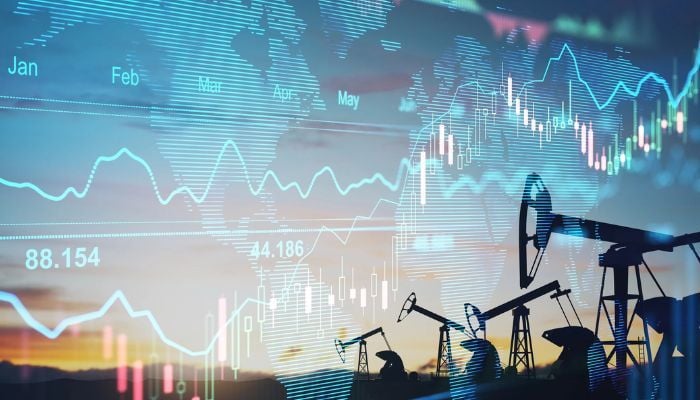
“We can expect prices and price volatility to remain high and supply disruptions – especially in local markets – to continue for the months ahead,” said Dario Liguti, Director of Energy, Housing and Land Management Division at the UN Economic Commission for Europe.
The senior UN economist explained that although a global shortage of fuel and fertilizers has been avoided, the effects of this year’s disruption will still be felt “even if the situation normalizes rapidly”. Strategic oil reserves are also at their lowest levels for decades, Mr. Liguti stressed.
“If the instability does continue, we should get ready for another rise in prices and a larger-scale raw material shortage,” he told UN News.
Heatwaves fuel uncertainty
A further complication compounding these shocks are this summer’s extreme heatwaves, fuelled by a strong El Niño which is forecast to strengthen in the coming months and “increase energy consumption for cooling, impact energy infrastructure, and affect water availability for power plant cooling”, Mr. Liguti explained
To counter these impacts – including on public transport networks – the UNECE official stressed the need to urgently build resilience to renewed energy shocks, to save energy through efficiency measures, reduce pressure on limited resources by cutting overall energy consumption and stock up on reserves.
“Longer term, we are also seeing renewed interest in many countries in investing in domestic energy production and distribution capacity and renewables,” Mr. Liguti noted.