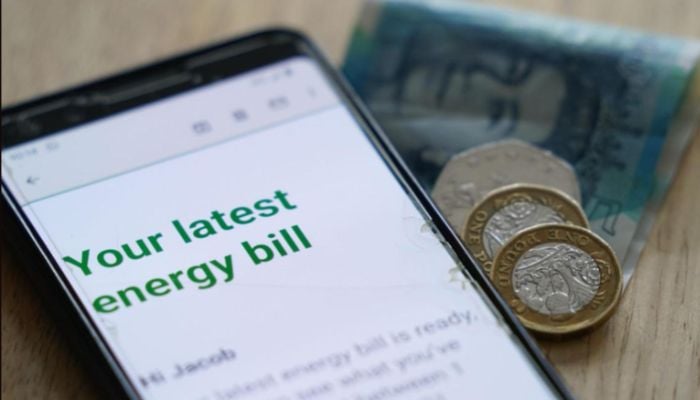
Britain’s energy regulator Ofgem announced on Wednesday, November 25, 2026, that the energy price cap for Great Britain will rise by 26% from January 1, 2027, increasing a typical dual-fuel household’s annual bill by £443 to £2,166.
The increase marks the third consecutive quarterly rise, following increases of 13% in July and 4% in October, and will affect millions of households already struggling with higher living costs.
According to the Guardian, the latest increase will push energy bills to their highest level since early 2023.
New Price Cap and Energy Rates
Ofgem said approximately 22 million households covered by the price cap would pay an annualised average of £2,166 for gas and electricity between January 1 and March 31, 2027, compared with £1,723 under the current cap.
For a typical dual-fuel household paying by Direct Debit, gas unit rates will increase by 37.5%, from 7.97p to 10.96p per kilowatt-hour (kWh), while electricity rates will rise by 24.2%, from 26.32p to 32.69p per kWh.
Daily standing charges will remain broadly unchanged at 29.65p for gas and 54.77p for electricity.
Why Energy Bills Are Rising
Ofgem attributed the increase primarily to soaring wholesale energy costs. Wholesale gas prices have roughly tripled since the conflict in the Middle East began, intensifying pressure on European energy markets.
Disruption to supplies through the Strait of Hormuz has contributed to market volatility, while Europe entered the winter months with gas storage levels among the lowest recorded.
Because gas prices influence much of Britain’s electricity market, the increase in wholesale costs has pushed up household energy bills.
Household Impact and Government Support
The latest increase means the average household could face almost £600 more in annual dual-fuel costs compared with levels before the Middle East crisis.
However, households on fixed energy tariffs will generally be protected from the immediate impact of the latest price-cap adjustment until their contracts expire.
The government has retained the temporary removal of 5% VAT on electricity bills until June 30, 2027. Eligible households in council tax bands A to D in England will also receive a £100 winter payment.
Outlook for Energy Prices
The latest increase is expected to renew pressure on the government to provide further assistance to struggling households and accelerate efforts to reduce Britain’s reliance on fossil fuels.
Energy bills are forecast to fall only slightly in April 2027, when Ofgem next reviews the price cap. Energy consultancy Cornwall Insight warned that continued volatility in global markets, particularly disruption to the Strait of Hormuz, could lead to further changes in its forecasts.