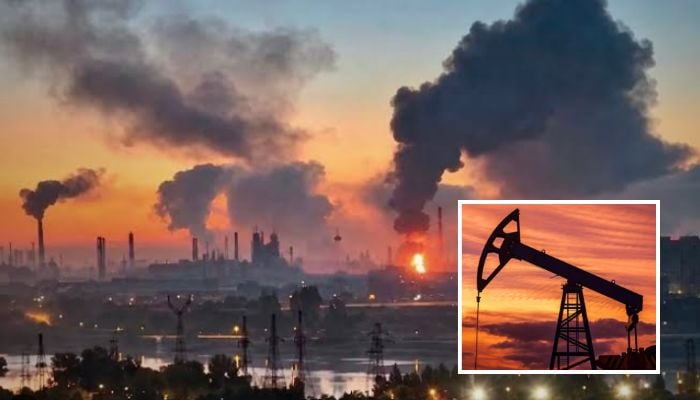
Recent waves of targeted drone strike by Ukraine on critical Russian energy infrastructure have significantly crippled the country’s petroleum sector, cutting its primary oil refining capacity by approximately 30%.
According to industry reports citing insider sources, these operations have successfully damaged roughly 9 out of Russia’s 35 largest oil refineries—including vital central facilities located in regions such as Ryazan, Yaroslavl, and the Volga basin, alongside strikes on major plants like Kirishi.
While Russia’s total primary capacity sits near 930,000 tonnes per day, ongoing disruptions and secondary fires have slashed active processing volumes by up to 200,000 to 300,000 tonnes daily.
The persistent campaign has forced major energy companies like Rosneft to restrict domestic fuel sales, compounding domestic supply pressures as Kyiv continues its strategy of targeting economic assets in response to Russian strikes on Ukraine’s power grid.
On Monday, a Ukrainian drone struck the Kirishi oil refinery, Russia’s second-largest, in an overnight attack that set the refinery on fire, the governor of the Leningrad region said, adding that one woman had been killed in the attack.
Ukraine’s attacks on Russian oil refineries add to Moscow’s difficulties in addressing domestic fuel shortages as it ships diesel to international markets under an export deal with US President Donald Trump.
Ukraine has stepped up strikes on Russian refineries since the end of October, when a ceasefire on attacks on energy facilities that Trump announced between Kyiv and Moscow failed to take hold.
The Russian refinery shutdown breakdown provides additional context regarding how continuous drone strikes have forced the suspension of operations across multiple major Russian oil facilities.
According to sources, Russian refineries were processing about 700,000 tons, or 5 million barrels, of crude per day, at the end of October.