MedCare Hospital Doctors Successfully Remove 44 Uterine Fibroids from 47-Year-Old Woman.
Medcare specialists urge women not to ignore persistent period pain and abnormal bleeding
Dubai(News Desk)::: Doctors at Medcare Women & Children Hospital (MWCH) in Dubai have successfully removed 44 uterine fibroids from a 47-year-old Omani woman while preserving her uterus, highlighting the importance of early diagnosis and timely medical care for women experiencing persistent gynaecological symptoms.
The patient travelled from Oman to Dubai after suffering months of worsening pelvic pain, irregular vaginal bleeding and considerable discomfort, particularly during her menstrual cycles. Medical examinations revealed an enlarged uterus affected by numerous fibroids that had significantly altered its shape and were affecting her daily life.
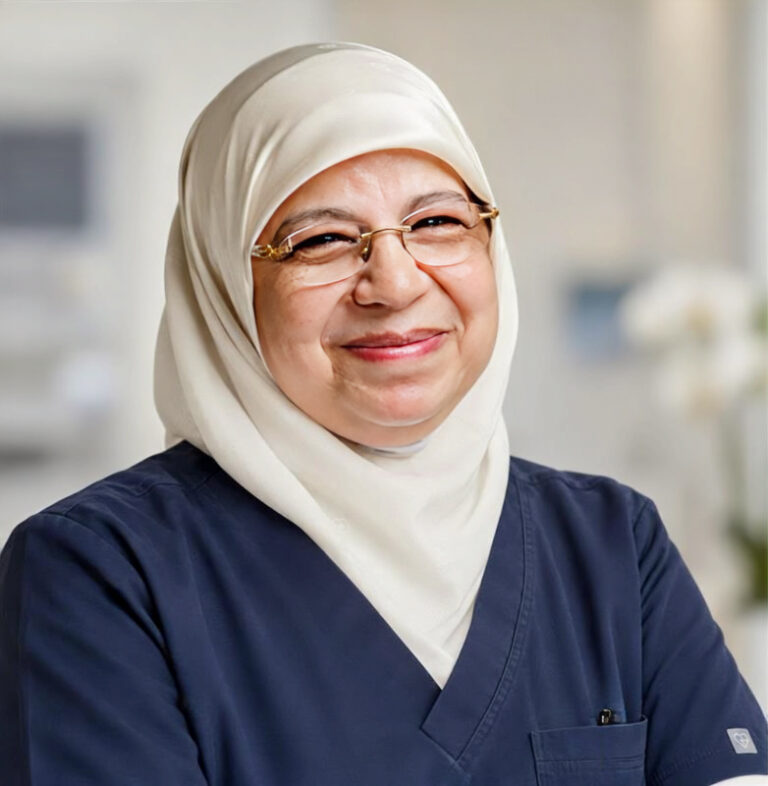
Following a comprehensive assessment, including a pelvic ultrasound, Dr. Azza Gouda Ibrahim, Head of the Obstetrics and Gynaecology Department and Consultant Obstetrician and Gynaecologist at Medcare Women & Children Hospital, recommended surgery to remove the fibroids while preserving the uterus, in accordance with the patient’s wishes.
Although the initial examination revealed numerous growths that were difficult to count, surgeons discovered during the procedure that the patient had 44 fibroids of varying sizes.
“What made this case remarkable was the sheer number of fibroids. We often treat women with fibroids, but finding 44 separate growths in one uterus is extremely unusual,” said Dr. Azza Gouda Ibrahim.
She explained that the combined effect of the fibroids had caused persistent pain, abnormal bleeding and pressure, significantly affecting the patient’s quality of life. The case demonstrated that the number and location of fibroids can be as important as their individual size.
Complex Surgery Preserves the Uterus
The unusually high number and distribution of fibroids made the procedure considerably more complex than many routine fibroid operations. During the patient’s assessment and treatment, doctors also identified blood collected within the abdominal cavity, requiring additional care to manage the associated bleeding.
The medical team opted for an open surgical procedure known as a laparotomy, which provided better access and visibility to assess the pelvic region, control bleeding and remove the fibroids while protecting surrounding structures.The surgeons also performed bilateral uterine artery ligation to reduce blood flow to the uterus and help control bleeding during the operation.Despite the complexity of the case, the team successfully removed all 44 fibroids while preserving the patient’s uterus, as she had requested.
Dr. Azza said that without appropriate treatment, the patient’s symptoms could have continued to worsen, potentially increasing the risk of ongoing bleeding, chronic pain, anaemia and further enlargement of the uterus.Following surgery, the patient remained in hospital for seven days for postoperative care and observation before being discharged safely. She subsequently returned to Oman and was able to resume her normal daily activities.
Doctors Warn Against Normalising Period Symptoms
The case has also drawn attention to a broader concern in women’s healthcare: persistent pelvic pain, unusually heavy menstrual bleeding and abdominal swelling are sometimes dismissed as normal aspects of menstruation or ageing.
Dr. Ahmed Abdelhameed, Medical Director at Medcare Women & Children Hospital, stressed that women should seek medical advice when they experience persistent or worsening symptoms rather than assuming they are normal.He said early assessment and diagnosis can make a meaningful difference in how gynaecological conditions are managed and improve patient outcomes. Recognising changes in the body and consulting a specialist promptly can also help prevent conditions from progressing and becoming more difficult to treat.
Fibroids Common Among Women
Uterine fibroids are among the most common gynaecological conditions affecting women, particularly those between the ages of 25 and 50. International estimates suggest that approximately 70 to 80 per cent of women may develop fibroids by the age of 50.
These non-cancerous growths can develop in or around the uterus, and many women experience no symptoms. However, when symptoms occur, they may include heavy or prolonged menstrual bleeding, severe period pain, persistent pelvic pain or pressure, abdominal swelling or bloating, frequent urination, constipation, pain during intercourse, and unexplained anaemia or fatigue.Such symptoms do not necessarily mean a woman has fibroids, but persistent, unusual or worsening changes should be evaluated by a qualified healthcare professional.
The Medcare case reinforces the importance of greater awareness of women’s reproductive health and timely gynaecological consultations. Early evaluation can help identify the underlying cause of symptoms and enable women to explore suitable treatment options before a condition becomes more complex.