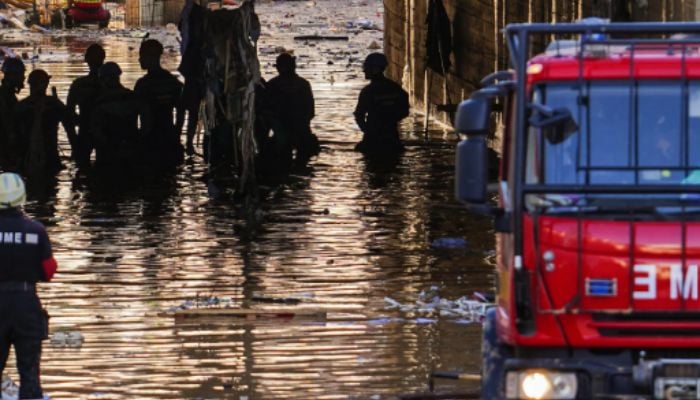
According to the Lebanese authorities, more than 2,700 people have been killed since 2 March amid clashes between Hezbollah fighters based in Lebanon and the Israeli military.
Hezbollah – a totally independent militia – began firing rockets into northern Israel after the US-Israeli bombing of Iran started on 28 February.
Women make up 25 of the more than 380 people killed in Lebanon since the 17 April ceasefire came into effect, highlighting the dangers they face, “as they attempt to return to their homes under the perceived safety of the ceasefire,” said UN Women’s Moez Doraid, UN Women Regional Director for Arab States.
“Continued Israeli airstrikes, evacuation orders, bans to return to certain areas, and movement restrictions mean most people still cannot go back to their homes, with more than an estimated half a million women and girls remaining displaced,” he told journalists.
‘Bring back the hope’
Speaking from Beirut via video link, Mr. Doraid urged the international community to “stand by these women and girls, men and boys to bring back the hope”.
Unlike past wars and conflicts that the people of Lebanon have endured in past decades, “this current conflict has eroded hope among many, as homes and lands in southern Lebanon have been destroyed”, the UN official insisted.
He described how one woman had been forced “to forage for wild herbs to feed her family” amid deepening food insecurity.
This worrying testimony is in line with respected food insecurity expert assessments which support estimates that an additional 144,000 women and girls are expected to face crisis-level hunger or worse in the coming months, bringing the total to approximately 639,000.
Basic services eroded
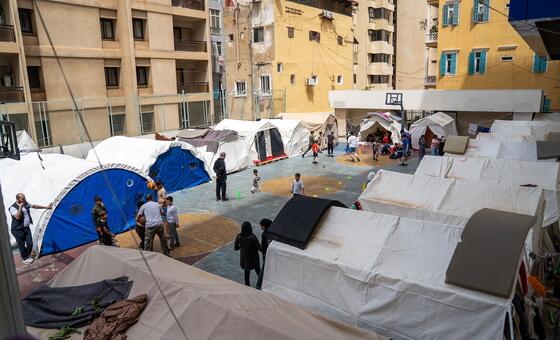
Today in Lebanon, access to food, water, healthcare, education and basic services has been dangerously disrupted. Some 1.2 million people have been displaced with entire communities uprooted by Israeli evacuation orders covering more of the country than ever before.
With the ceasefire in place but no peace established, thousands are returning under challenging conditions, with extensive damage to homes, and the risks of unexploded ordnance.
So far during this conflict, the UN World Food Programme (WFP) has negotiated the movement of 19 convoys to south Lebanon with support for 84,500 individuals. “But they’re a fraction of those that are approved,” said WFP’s Matthew Hollingworth, Assistant Executive Director for Programme Operations.
“Typically, we’re only talking about less than 50 per cent [of convoy requests to Israel] getting approval. So, we would like to be doing many more such inter-agency, multi-agency and NGO convoys into hard-to-reach areas…We just need to be doing a lot more,” he said.
Since 2 March, UN Women has directly supported more than 15,000 women and girls, with reach extending to more than 70,000 people across their communities.
“Under such dire conditions, I have also witnessed the incredible resilience in the response of women and women’s organizations who are delivering humanitarian assistance, supporting livelihoods, and enhancing societal cohesion across Lebanon,” UN Women’s Mr. Doraid noted.
The agency is supporting more than 500 women leaders “to help communities navigate the crisis, connect people to assistance, identify urgent needs, reduce tensions, and ensure that women’s voices are heard in local response and recovery efforts,” he said.