The tensions between the US and Iran have escalated over the weekend as both sides exchanged heavy missile and drone assaults.
The US launched major strikes, including an operation hitting approximately 140 Iranian military targets on July 11, aimed at degrading Iran’s missile, drone, and naval capabilities.
In response. Iran’s Islamic Revolutionary Guard Corps (IRGC) launched missile and drone attacks against US facilities and regional partners across the Middle East, including bases in Jordan, Bahrain, Kuwait, Qatar, and Oman.
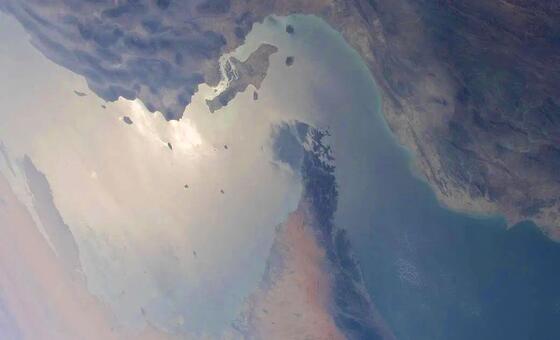
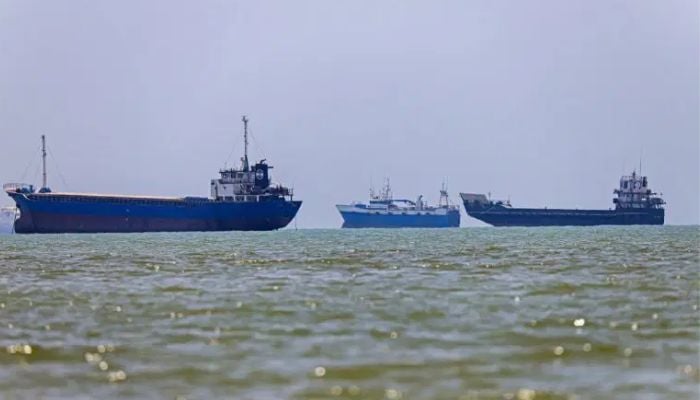
The biggest casualty of these mounting tensions is the strategically important Strait of Hormuz which is a key waterway for shipping the one-fifth of global oil and energy supplies.
After Sunday’s strikes, Iranian authorities declared to close the Strait of Hormuz, disallowing any single ship to pass through Hormuz. The Revolutionary Guard said earlier that the strait was closed as the result of “insecurity created by the unlawful interference of foreign actors” and warned that any military strikes over the matter would be met with “a forceful response.”
“The Strait of Hormuz is closed until further notice and will remain closed until the end of US interference in the region,” the Revolutionary Guard said.
“No vessel will be permitted to transit the strait,” it said.
On the contrary, the US insisted that the Strait of Hormuz is open and Iran does not have authority to control the shipping lane.
On Sunday, after striking Iran, CENTCOM declared, “Iran does not control the Strait of Hormuz. It remains an international waterway. U.S. forces are positioned and prepared to keep it that way.”
Trump also announced, “As far as we are concerned, it’s open. Don’t talk about it.”
Since the beginning of conflict between Washington and Tehran, the Strait of Hormuz has been the central point of contention. Iran asserts its undisputed sovereignty and control over it and wants to charge a fee. But, the US rejected Iran’s claims while maintaining freedom of navigation for commercial shipping.
In the wake of intensified tensions over Strait of Hormuz, the Brent crude has spiked by 4 percent. However, in the long run the prospects are going to be dimmed for energy markets.
According to Omid Shokri, an energy expert and senior visiting fellow at George Mason University, “Brent crude, the main benchmark for oil prices, could rise above $80 if the violence persists, as traders add a larger geopolitical risk premium.”
“The much greater upside risk would emerge if the fighting restricts tanker traffic through the Strait of Hormuz, or damages Gulf production and export infrastructure,” he added.