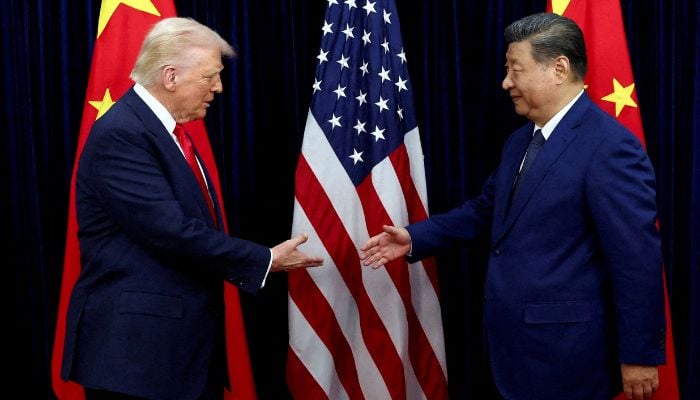
The United States and China have released reciprocal lists of products about $30 billion each to receive tariff cuts, following a recent state visit by Chinese President Xi Jinping to Washington to meet with President Donald Trump.
Washington published Chinese goods lists on September 27, covering 77 Chinese items, such as fireworks, tableware, glass, wooden Christmas ornaments, and soccer balls.
China’s lists contain 1619 US lines including agricultural commodities, personal care products, timber, coal and medical equipment. Cumulatively, the trade covered by the reciprocal arrangement reaches about $60 billion.
According to China’s Commerce Ministry, tariff rates on over 90% of these products will be reduced to “most-favored-nation” levels, effectively eliminating country-specific tariffs.
The counties will implement the cuts simultaneously after completing their respective domestic legal procedures.
US consumer goods lists
US tariff cuts cover household products, appliances, textiles, toys, sports, equipment and other consumer goods imported from China.
The list includes electric blankets, bed linen, tableware, curtains, garden umbrellas, household scales and food processors. Microwave ovens, coffee makers, toasters, electric irons, shavers and flashlights are also included on the schedule.
Sports and leisure products include billiards equipment, playing cards, tennis balls, footballs, baseballs, fishing hooks and packaged fishing line. Christmas decorations, magic tricks, artists’ brushes and vacuum flasks complete parts of the 77-line schedule.
Children’s products cover highchairs, booster seats, infant walkers, bouncers, swings, safety seats and play yards. Toy tariff lines include wheeled toys, dolls, models and puzzles.
China’s lists of tariff cuts
Livestock & animal products
- Livestock entries: Horses, donkeys, cattle, pigs, sheep, goats, and poultry
- Meat categories: Beef, pork, lamb, poultry, and offal
- Dairy products: Milk, cream, butter, cheese, and whey
- Seafood lines: Tuna, salmon, cod, lobster, crab, shrimp, and various shellfish categories
Agriculture & crops
- Wheat, barley, corn, rice, sorghum, and seeds. Produce & other goods include honey, vegetables, mushrooms, beans, fruits, and miscellaneous agricultural produce
- Processed foods include oils, cocoa products, prepared foods, juice, and pet food
Non-food & industrial goods
- Raw materials & forestry: Logs, timber, and processed wood products
- Consumer goods: Cosmetics and tobacco products
However, strategic sectors including electrical vehicles, batteries and chips were not included in the deal.
Speaking about the economic impacts of these trade tariff cuts, analysts noted that the 30 billion scale is more impactful for US exports to China in percentage terms compared to China’s massive exports to the US.
Moreover, they believed that the deal could boost US consumer brands in China and help lessen US inflation while easing China’s overcapacity. But the overall impact is expected to be limited.
The trade cuts followed two-month trade truce extension confirmed during Chinese leader Xi Jinping visit to the US.