Burjeel Holdings Calls for Global Military–Civilian Medical Readiness Partnership at ICMM Congress.
Dr. Shamsheer Vayalil, Chairman and CEO, Burjeel Holdings, proposes a framework for joint
preparedness, innovation, and lasting healthcare capability as military medicine faces new
operational and technological challenges
Abu Dhabi(News Desk):: Burjeel Holdings, leading super-specialty healthcare services provider in the GCC, has called for a more structured global approach to military-civilian medical cooperation, to strengthen national preparedness and humanitarian healthcare, as the UAE hosts the ICMM World Congress of Military Medicine for the first time.
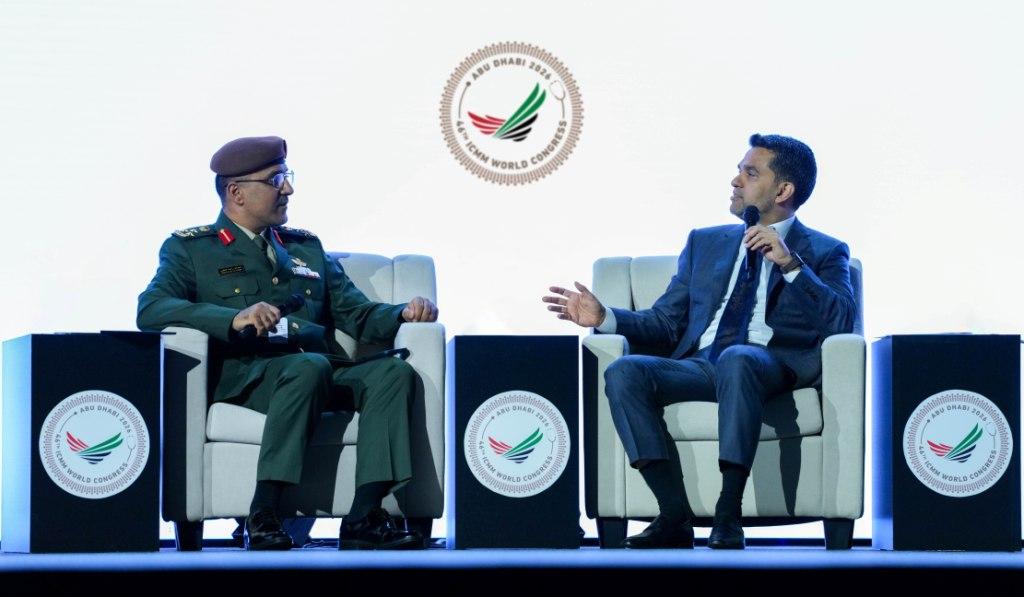
In a keynote address to the 46th edition of the Congress, Dr. Shamsheer Vayalil, Chairman and CEO of Burjeel Holdings, proposed exploring a Global Military–Civilian Medical Readiness Partnership. He outlined a practical framework built around three priorities: preparing together, innovating together, and building lasting capability.
Organized by the UAE Ministry of Defence in collaboration with ADNEC Group, the Congress brings together military and civilian healthcare expertise from more than 120 countries under the theme “Ready When Needed. Resilient When Tested.” The gathering reflects the UAE’s wider role in humanitarian assistance. In 2025, the country was ranked the world’s third-largest humanitarian donor, contributing $1.46 billion, according to data reported through the United Nations Office for the Coordination of Humanitarian Affairs’Financial Tracking Service.
Dr. Shamsheer said changing warfare, drone surveillance, cyber disruption, and threats to medical supply chains require military medicine to look beyond battlefield trauma. Readiness must encompass the ability to protect healthcare infrastructure, sustain prolonged casualty care, and keep essential services functioning when normal systems are disrupted.
He identified four areas where private healthcare could contribute: advanced clinical capability, technology and innovation, infrastructure resilience, and national preparedness. These include
structured access to specialist services, collaboration on secure AI-supported diagnostics and remote care, protection of connected medical infrastructure, and coordination between military resources and civilian hospitals, laboratories, pharmaceutical manufacturers, and emergency medical services.
“The private sector must move from being a supplier of healthcare services to becoming a strategic partner in national medical readiness,” he said.
Military institutions would retain command and operational responsibility, while private providers contribute additional capacity, specialist expertise, and innovation. Reflecting on the UAE’s healthcare development, he acknowledged military medicine’s role in establishing clinical standards and called for closer connections with the expertise, research, and technology now available across the wider healthcare system.
Under the proposed global framework, partners would identify civilian capabilities that could support military and humanitarian emergencies and establish joint training, clinical governance, and deployment arrangements. Military medical challenges would also inform joint research and technology development, including solutions for casualty evacuation and human performance.
He cited the UAE Floating Hospital in Al Arish, supporting patients from Gaza, as an example of military infrastructure and civilian medical expertise working together within a coordinated humanitarian mission. In Chad, a field hospital’s response to 49 patients with burn injuries following a major fire demonstrated the value of disaster reception exercises conducted only weeks earlier.
Burjeel’s humanitarian healthcare work has extended to more than 17 countries, with over 1.17 million outpatient and inpatient visits recorded across its projects. The work included early efforts to help nearly 1,000 patients from Yemen access complex surgical treatment in India.“Readiness is not something we create during a crisis. It is something we build before the crisisbegins,” he said.
Dr. Shamsheer said recruiting and developing local healthcare professionals should be central to humanitarian missions, with success measured by the skills and systems left within communities as well as the number of patients treated. He said the UAE’s strong national institutions, advanced healthcare infrastructure, growing research capabilities, and longstanding humanitarian engagement positioned it to contribute to the proposed approach.(ENDS)