Why it matters
- A strong El Niño is developing and expected to strengthen during August through October, bringing powerful weather events around the world, according to WMO’s latest monthly global seasonal climate update
- Above-normal temperatures expected worldwide
- Wetter conditions expected in some regions while drought risk increases in others
- Tropical Atlantic sea surface temperatures projected to remain warmer than average
- Forecasts provide a window for early action and support decision making
Scorching heat domes, record hot seas
Multi-model forecasts indicate expected anomalies related to seasonal-average sea-surface temperature to exceed 2.9°C in key monitoring regions, according to WMO.
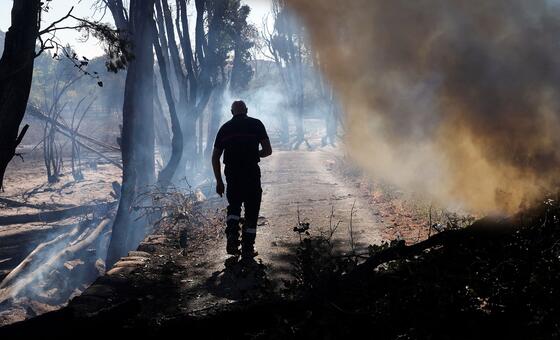
“El Niño is strengthening, adding fuel to a planet already on fire with scorching heat domes, apocalyptic wildfires and record hot seas,” UN Secretary-General António Guterres said.
“El Niño is not just on our doorstep; it is inside the house and turning up the heat, and this is only a warm-up act.”
Flames fanned by fossil fuels
He said fossil fuels are “fanning the flames of this crisis”, and expansion must stop.
“More coal, oil and gas will lead to a more combustible future,” he warned.
“Unless we act to protect people and tackle the root cause of the crisis, the dangers will become deadlier still. The warm-up act is over. We cannot afford to wait for the main event.”
Mobilising to save lives
The WMO is stepping up coordination, climate information services and early warning to help those affected prepare for potential impacts, including governments, humanitarian agencies, such climate-sensitive sectors as agriculture and health as well as vulnerable communities.
“El Niño is one of the most closely monitored climate phenomena in the world, but forecasts in themselves do not prevent hazards, people do,” said WMO Secretary-General Celeste Saulo.
She said this El Niño is developing against the backdrop of unprecedented ocean heat and rising temperatures, but governments and communities have a window of opportunity to anticipate risks and act before impacts unfold.
“The decisions we make today will shape the impacts we experience tomorrow,” she said, adding that WMO and its members are committed to ensuring that credible and relevant climate information reaches those that need it most.