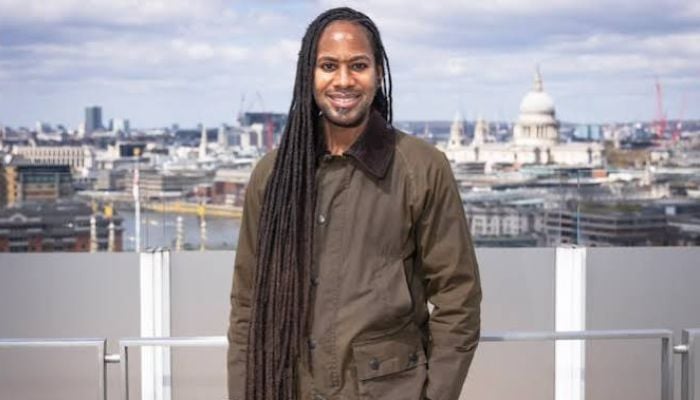
Barham Salih highlighted the contributions refugees make to their host communities as workers, students, neighbours, artists, athletes, entrepreneurs and leaders.
“Given the opportunity, they rebuild their lives and help strengthen the societies around them,” he said ahead of World Refugee Day, observed annually on 20 June.
Turbulent times
UN Secretary-General António Guterres issued a message calling for stronger support for people forced to flee and the communities that have welcomed them.
“As divisions deepen across our world, new and protracted conflicts are compelling millions of women, children and men to seek safety far from home,” he said.
He stressed that “these turbulent times” call for renewed solidarity and robust action to protect refugees.
A difficult choice
“Fleeing home to seek safety is one of the hardest choices anyone can make. I know that from personal experience,” said Mr. Salih, who as a young man fled repression in Iraq.
The High Commissioner insisted that “while a person may, for a time, be defined as a refugee, becoming a refugee should not define a person’s life.”
He warned that millions of refugees “find themselves trapped in dependency, relying on a dwindling amount of aid for their daily survival.”
Tackling prolonged displacement
Although humanitarian assistance remains indispensable to saving lives during emergencies, too many refugees can spend years, or even decades, in prolonged displacement.
“Being a refugee is meant to be a temporary condition, not a lifelong fate,” he said.
“That is why I have set out an ambitious goal: to cut by half, within ten years, the number of refugees living in protracted displacement and reliant on humanitarian assistance.”
Efforts will focus on low and middle-income countries that host the majority of refugees.
“Achieving this target…would vastly improve the lives of millions of people. It is how we can move from merely managing displacement to resolving it,” he said.
Landmark anniversary
This year’s observation of World Refugee Day also marks the 75th anniversary of the Refugee Convention.
The 1951 treaty, adopted in the aftermath of the Second World War, enshrined that anyone forced to flee war, conflict, or persecution has the right to seek safety and protection.
“We must continue to uphold that promise. Until everyone is safe, none of us are safe,” said Mr. Salih.
“This is not merely a statement of solidarity but a call to action. Because the right to seek safety was made for times like these, and it is up to all of us to defend it.”
Stand up for refugees
The High Commissioner heads the UN refugee agency, UNHCR, which is rallying young people to stand with refugees and defend asylum under the World Refugee Day theme Until Everyone is Safe.
The campaign challenges stereotypes about refugees and emphasises that the right to seek safety goes beyond merely escaping war or violence.
It also complements the goal to reduce the number of refugees in long-term displacement by half by 2035 – first outlined in UNHCR’s recent Global Trends Report.
The 50 by 35 vision aims to boost refugees’ access to work opportunities, national education, health, and social protection systems in efforts to foster self-reliance and reduce dependency on aid.