
The warning came against the backdrop of reports of fresh airstrikes by the military on a trading junction in the central Magway region. According to media reports, more than 25 individuals were killed and 20 others wounded.
“The humanitarian situation continues to worsen with each passing year due to ongoing conflict, recurrent disasters, and steady economic decline,” said the UN’s humanitarian relief body, OCHA, in a statement on Monday.
Although aid reached 6.3 million people in 2025 – including 1.7 million following a major earthquake in March – access challenges, shrinking funding and insecurity are making it increasingly difficult for humanitarian agencies to deliver sufficient support.
Funds needed to support millions
With more than 3.6 million people estimated to be displaced nationwide, humanitarian organizations in 2026 are focusing on 2.6 million people in Myanmar with the most severe needs.
The 2026 Humanitarian Needs and Response Plan calls for $890 million to reach 4.9 million people with life-saving assistance and protection services.
OCHA warned that underfunding risks “pushing people into impossible choices…exposing themselves to serious risks simply to survive” if essential needs go unmet.
Fears grow over a return to all-out civil war in South Sudan as fighting set to spread into Akobo region
UN humanitarians in South Sudan have expressed deep concern over an order from government forces directing civilians and aid agencies to vacate the town of Akobo – near the Ethiopian border – ahead of planned military operations.
Since fighting escalated in December 2025 after opposition forces seized government positions in Jonglei State, many civilians have sought refuge in Akobo county.
The county now hosts an estimated 270,000 displaced people – more than half women and children – making it “a critical refuge for people fleeing violence.”
Risk of humanitarian crisis
“Any military action in or around such a densely populated area would expose civilians to grave danger and risk triggering a catastrophic humanitarian crisis in Akobo County,” the UN Humanitarian Country Team warned.
Aid agencies reiterated that civilians must never be targeted or forcibly displaced and that all parties must adhere fully to international humanitarian law.
Humanitarian partners have recently scaled up life-saving assistance for displaced people and host communities, but disruptions to aid delivery could place thousands at immediate risk.
“We urge all parties to refrain from military operations in populated areas and resolve their differences through dialogue. The people of South Sudan need peace,” the team said.
Women in Afghanistan nearly four times less likely than men to have access to formal justice mechanisms
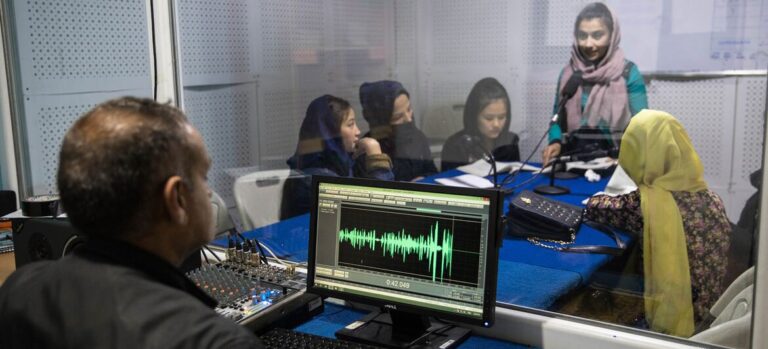
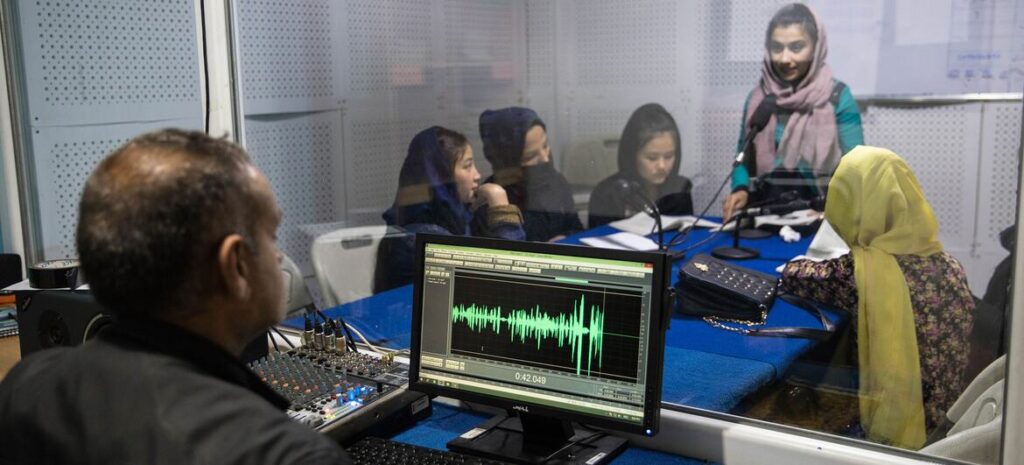
Women in Afghanistan are nearly four times less likely than men to have access to formal justice mechanisms, according to new findings from the UN Assistance Mission in the country (UNAMA).
Only 14 per cent of women reported having access to formal dispute-resolution services, compared with 53 per cent of men.
The findings highlight a deepening crisis for women and girls who have already faced sweeping restrictions imposed by Afghanistan’s de facto authorities.
“When women are excluded from justice institutions, it undermines their safety, autonomy and their few remaining opportunities to seek help outside the home. This is especially important for women experiencing domestic violence,” said Susan Ferguson, UN Women Special Representative for Afghanistan.
Additional pressure comes from “Decree No. 12” issued by the Taliban earlier this year, which criminalizes criticism of the authorities and allows penalties including imprisonment or corporal punishment.
Participants in the consultations called for stronger institutional mechanisms to safeguard women’s access to justice and the re-establishment of women-centred and women-led dispute resolution systems.
Civilian casualties in border clashes
Following cross-border clashes between Pakistan and Afghanistan’s de facto authorities from the evening of 26 February to 5 March 2026, UNAMA verified that 56 civilians were killed and 129 injured due to indirect fire and aerial attacks.
Women and children accounted for 55 per cent of the casualties.
UNAMA reiterated its call for all parties to implement measures to prevent civilian harm and to meet their obligations under international humanitarian law to protect civilians.