The Cities Shaping the Future 2026
Oliver Wyman Forum, the think tank of Oliver Wyman, a global leader in management consulting and a business of Marsh (NYSE: MRSH), has released its latest report,The Cities Shaping the Future 2026, ranking the global cities best positioned to drive the next era of business growth.
DUBAI, 02 June, 2026 – The report ranks 1,500 cities representing more than 75% of global GDP, worth approximately US$88 trillion, across five factors: commercial vibrancy, connectivity, supply chains, innovation and climate resilience. Its findings have clear relevance for the GCC at a time when regional uncertainty has sharpened focus on resilience, business continuity, supply chains and long-term competitiveness.
Dubai emerges as one of the strongest regional examples. The city ranks 12th globally among the top 20 cities supporting next-decade growth and is listed as the 4th most connected city worldwide, with 288 cities served by its combined airports. Jebel Ali, Dubai, also appears among the world’s top 10 container ports, handling 15.5 million TEUs in 2024.
The report points to the rapid rise of Gulf cities from Dubai to Riyadh as evidence that ambitious city leadership can compete with established global centres. It also notes that Abu Dhabi, Riyadh and Doha are developing transport infrastructure and industrial zones to attract foreign investors looking for fast-growing domestic and regional markets.
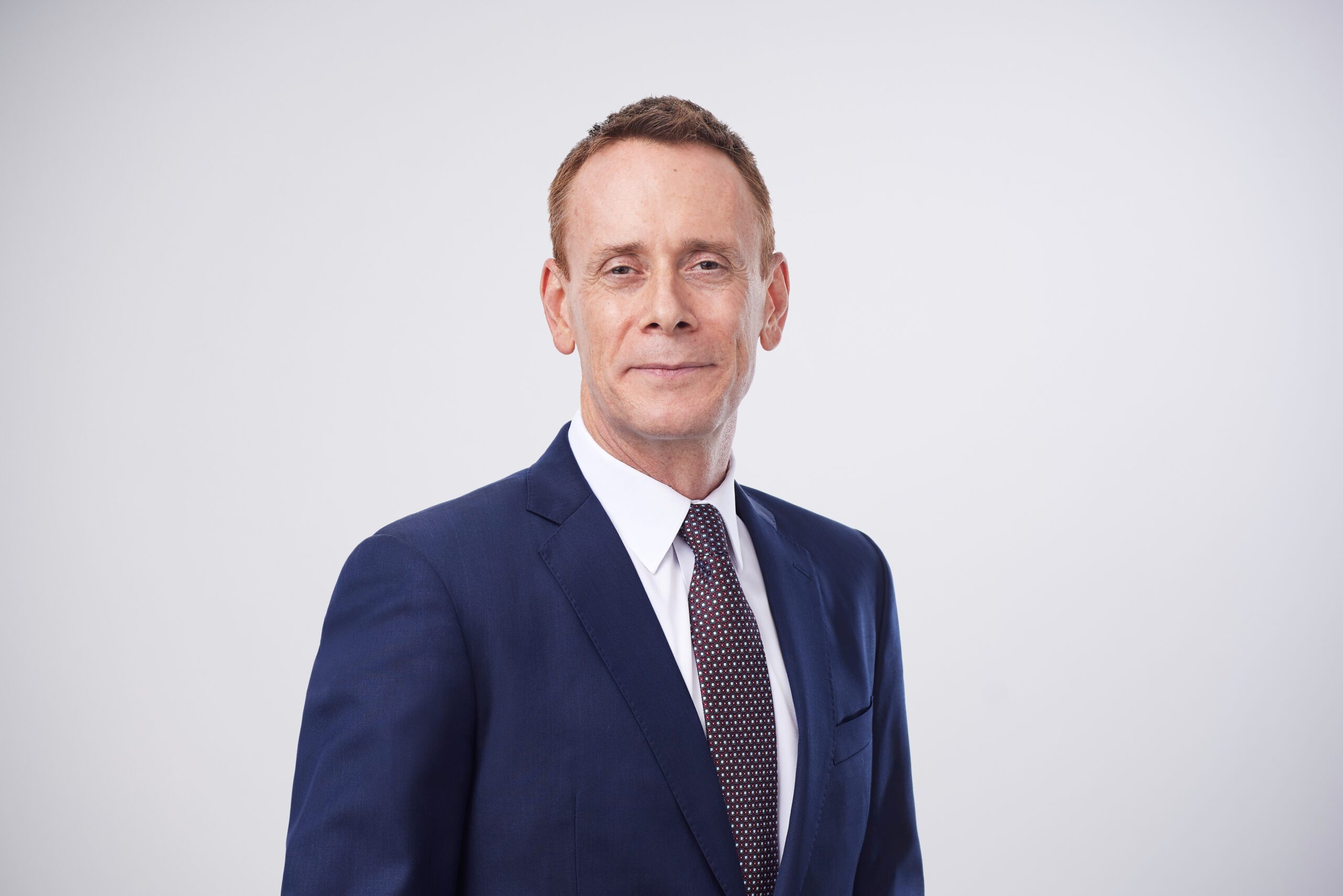
Ben Simpfendorfer, Partner at Oliver Wyman and co-author of the report, said: “The next phase of global growth will not be defined by a single set of dominant cities. Companies are looking at which combinations of cities give them access to customers, talent, logistics, innovation and resilience. That is where the GCC is increasingly relevant. Dubai’s growth and connectivity, Abu Dhabi’s institutional and talent strengths, Riyadh’s momentum under Vision 2030, and Doha’s continued infrastructure development all point to a region investing in capabilities global companies will need in a more fragmented world.”
He added: “Recent volatility reinforces the need for resilience, but it does not remove the region’s long-term fundamentals. Gulf cities are not insulated from global risk, but many of the investments already underway, from transport infrastructure and industrial capacity to digital ecosystems, talent policy and institutional development, are closely aligned with the way business geography is changing.”
The report finds that supply-chain resilience is now a central priority for global companies. According to Oliver Wyman Forum research, 65% of CEOs at the largest firms are strengthening business continuity and crisis management, while 45% are planning to reconfigure supply chains and 41% are deepening supply-chain visibility beyond direct suppliers. For the GCC, these findings reinforce the importance of logistics, manufacturing capacity, industrial zones and regional operating models as companies look for greater flexibility.
Talent is another major test of city competitiveness. The report notes that 50% of CEOs see talent and workforce as a top three opportunity over the next three years. Dubai and Riyadh are cited as cities attracting talent through low or zero personal tax rates, while Dubai and Abu Dhabi are noted for long-term residence permits and fast work visa processing. Abu Dhabi, Dubai and Riyadh also appear in the report’s list of “dynamic talent hubs”.
The report also highlights the role of institutions in city competitiveness. Riyadh is home to the World Tourism Organization’s first office in the Middle East, Dubai’s International Humanitarian City houses offices and warehouses for nine UN agencies, and the Asian Infrastructure Investment Bank recently chose Abu Dhabi for its first overseas office.
While global in scope, The Cities Shaping the Future 2026 points to several themes that are especially relevant for the GCC: the need to build resilience into growth plans, the rising importance of transport and logistics networks, the role of industrial policy in attracting investment, and the intensifying competition for talent and technology.
Key regional findings from the report include:
• Dubai ranks 12th globally among the top 20 cities supporting next-decade growth.
• Dubai is listed as the 4th most connected city worldwide, with 288 cities served by its combined airports.
• Jebel Ali, Dubai, appears among the world’s top 10 container ports, handling 15.5 million TEUs in 2024.
• The report cites the rapid rise of Gulf cities from Dubai to Riyadh as evidence that ambitious city leadership can compete with established global hubs.
• Abu Dhabi, Riyadh and Doha are referenced as Gulf cities developing transport infrastructure and industrial zones to attract foreign investors.
• Dubai is listed as an export champion, Dubai and Riyadh as emerging business incubators, and Abu Dhabi, Dubai and Riyadh as dynamic talent hubs.
• 65% of CEOs at the largest firms are strengthening business continuity and crisis management, while 45% are planning to reconfigure supply chains.
• 50% of CEOs see talent and workforce as a top three opportunity over the next three years.
• Dubai is listed as the 4th most connected city worldwide, with 288 cities served by its combined airports.
• Jebel Ali, Dubai, appears among the world’s top 10 container ports, handling 15.5 million TEUs in 2024.
• The report cites the rapid rise of Gulf cities from Dubai to Riyadh as evidence that ambitious city leadership can compete with established global hubs.
• Abu Dhabi, Riyadh and Doha are referenced as Gulf cities developing transport infrastructure and industrial zones to attract foreign investors.
• Dubai is listed as an export champion, Dubai and Riyadh as emerging business incubators, and Abu Dhabi, Dubai and Riyadh as dynamic talent hubs.
• 65% of CEOs at the largest firms are strengthening business continuity and crisis management, while 45% are planning to reconfigure supply chains.
• 50% of CEOs see talent and workforce as a top three opportunity over the next three years.