
Risk Sentiment at a Crossroads: What Global Volatility Means for the GCC.
Dubai(News Desk):: Global markets are once again tilting toward caution. From oil and gold to the U.S. dollar, defensive positioning has resurfaced as investors grapple with geopolitical tension, AI-sector volatility, and uncertainty over the Federal Reserve’s next move.
Nowhere is this shift more visible than across energy and haven assets. Crude oil has rebounded above the $65 mark amid winter demand and supply disruption concerns linked to the Strait of Hormuz.
At the same time, gold and silver are hovering near key breakout levels, with dip buying and haven flows lifting the precious metals back toward key resistance zones, around 5,100 and 80 respectively, while the U.S. dollar index (DXY) tests structural resistance. The simultaneous rise in oil, gold, and the dollar – considered a rare alignment – signals a market seeking protection rather than risk.
For the GCC, this global backdrop presents a paradox. Historically, elevated crude prices have translated into stronger liquidity conditions and renewed appetite for IPOs across the region.
Reinforced fiscal space typically encourages capital deployment. Yet today’s environment is more layered. AI-related volatility, expectations of a short-term Fed rate hold, and renewed U.S.–Iran supply disruption risks are lifting volatility while capping broader global risk
sentiment.
This cautious tone has kept U.S. indices below record highs, amplifying peak-risk concerns among global allocators. In contrast, the UAE’s MSCI index continues to trade near decade highs, underscoring the market’s relative resilience. However, such strength could leave room
for a short-term momentum pullback before longer-term bullish trends and investor appetite regain traction.
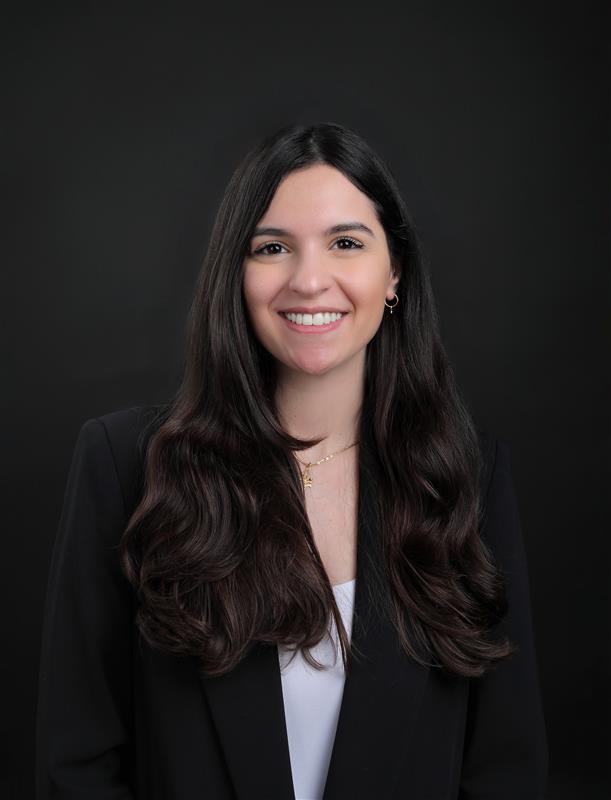
“Markets are navigating a delicate balance,” says Razan Hilal, Market Analyst, CMT at FOREX.com. “We’re seeing defensive flows dominate globally, yet regional fundamentals in the GCC remain comparatively stable. That divergence creates both opportunity and short-term
volatility risk.” The dirham’s peg to a firm dollar further anchors macro stability. While a strong dollar can weigh on global liquidity, it simultaneously reinforces monetary predictability in the UAE. Over the longer horizon, anticipated U.S. rate cuts are expected to ease financial conditions, potentially providing a tailwind to regional growth and capital markets activity.
Yet, investors should remain mindful of structural inflection points. A confirmed breakout in crude above key resistance levels could recalibrate inflation expectations globally, prolong rate-hold dynamics, and sustain defensive asset flows. Conversely, a reversal in oil or a structural shift in the dollar’s 18-year uptrend would materially alter the liquidity landscape.
For now, buoyed by fiscal strength and currency stability, the GCC stands resilient, but not immune. In an era defined by cross-asset volatility and geopolitical recalibration, regional markets are proving durable, though increasingly intertwined with global risk cycles.
The next decisive move may not originate in the Gulf, but its ripple effects will certainly be felt there.