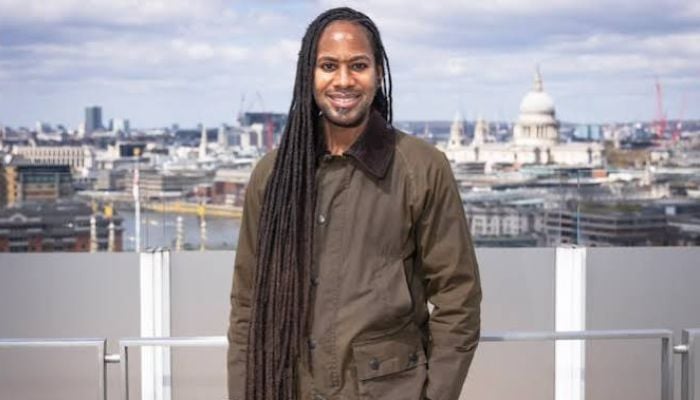
UNHCR’s flagship Global Trends Report, launched in Geneva by High Commissioner Barham Salih, showed that global refugee numbers fell by three per cent in 2025 to 41.6 million.
Some 5.4 million people fled to other countries to escape violence and persecution during the year.
Heading home
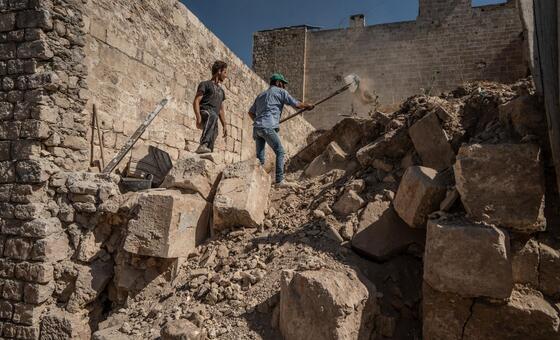
Returns also gathered pace: 14.7 million displaced people went back to their areas or countries of origin in 2025 – including 4.4 million refugees and 10.3 million internally displaced people – with sharp increases recorded in Afghanistan, Sudan and Syria.
Refugee returns were the second highest since records began 60 years ago, though the agency cautioned that many occurred under pressure and to precarious conditions.
In a positive development, nearly 46,000 stateless people acquired citizenship across 24 countries last year.
A paradigm shift
Despite the overall decline, Mr. Salih warned that humanitarian aid alone was no longer sufficient.
With 70 per cent of refugees trapped in exile for years and many living below the poverty line, he called for a fundamental change of approach.
“For too many refugees, displacement starts as a lifeline but lasts a lifetime,” he said. We need a paradigm shift that creates a new sense of hope and opportunity for people fleeing war and persecution.”
Mr. Salih outlined a concrete and measurable goal: to reduce by more than half, over the next decade, the number of refugees in long-term displacement who are reliant on humanitarian assistance – focusing on low and middle-income countries where most refugees are hosted.
The initiative would expand opportunities for voluntary returns, humanitarian visas and relocation, while transitioning refugees from aid dependency to self-reliance through access to education, healthcare, financial services and labour markets.
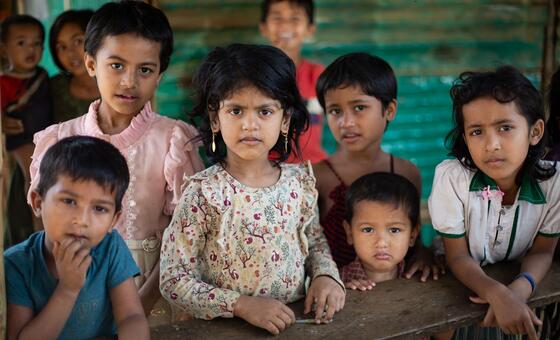
Children sit amidst the rubble of a ruined building in Syria.
Fight for the future
The report also flagged a sharp drop in resettlement, with arrivals through resettlement or sponsorship pathways falling by more than half, year on year, to just 81,800 in 2025 – a widening gap between available places and pressing needs.
More than 70 per cent of refugees originated from Afghanistan, South Sudan, Sudan, Syria, Ukraine and Venezuela. The largest hosting countries were Colombia, Germany and Türkiye.
“Asylum and protection are lifesaving and not up for debate,” Mr. Salih said, “but we cannot accept a future in which millions of refugees remain trapped for years or decades without realistic prospects of rebuilding their lives.”