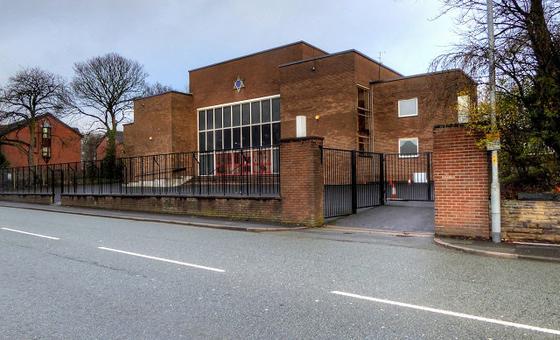

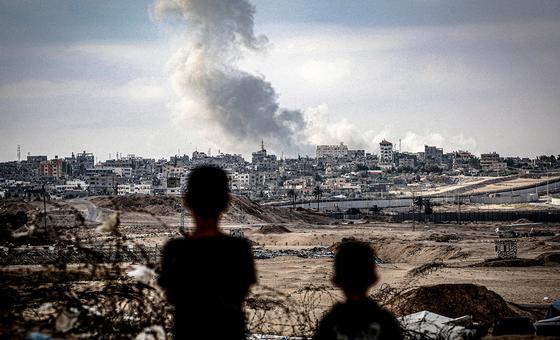
Three people were killed and at least 10 others were injured in the bombing of the Holy Family Church in Gaza City, according to media reports.
Stephanie Tremblay, a spokesperson for the Secretary-General, noted that the church was both a place of worship and a sanctuary for civilians.
“Attacks on places of worship are unacceptable. People seeking shelter must be respected and protected, not hit by strikes,” she said during the daily media briefing from New York.
“Too many lives have already been lost,” she added, before stressing the urgent need for an immediate ceasefire and the immediate and unconditional release of all hostages.
Strikes continue amid widespread displacement
Meanwhile, Israeli strikes over the past 24 hours have hit sites hosting displaced Palestinians, some of whom were injured and killed.
The UN Office for the Coordination of Humanitarian Affairs (OCHA) reported that more than 11,500 people in Gaza were newly displaced between 8-15 July.
Overall, more than 737,000 people have been uprooted since the latest escalation of hostilities on 18 March, or roughly 35 per cent of the population.
Furthermore, nearly everyone in Gaza has been displaced, in many cases multiple times, since the war began in October 2023.
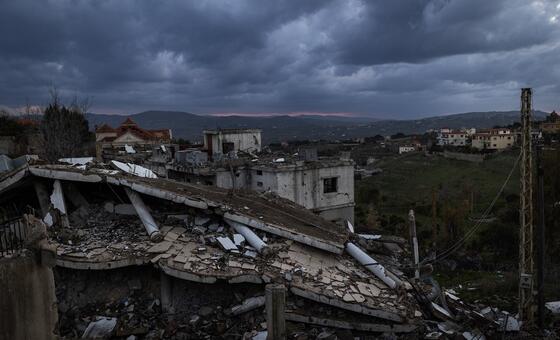
Ms. Tremblay reminded journalists that most housing in Gaza is flattened or otherwise unhabitable and families are staying in the open because the UN has not been allowed to bring in tents and other shelter materials since early March.
Mediterranean swimming ban
She also highlighted a “worrying development” as humanitarians report that many displaced people are wary of bathing in the Mediterranean Sea after Israel reinstated a ban prohibiting swimming and fishing.
“OCHA says that for many, the sea has been their only option to wash, as there is barely any functioning water infrastructure and almost no fuel to pump water, a much-needed outlet in the hot weather in Gaza,” she explained.
More fuel needed
Humanitarians also continue to report that the amount of fuel Israel is allowing into Gaza is still nowhere enough to keep life-saving services operating and shutdowns are a real risk.
Ms. Tremblay mentioned “a small but important step” that occurred on Thursday, as the UN was finally allowed to bring in some benzene – used to power ambulances and other critical services – for the first time in more than 135 days.
“That’s in addition to the limited amounts of diesel allowed over the past week. But it’s not enough,” she said.
“We are calling for more fuel – both benzene and diesel – to come in regularly. And the ban on shelter materials needs to be lifted immediately. Lives depend on both.”