Global Food Week 2026 Advances Food Security Dialogue and Innovation on Day Two.
Abu Dhabi(News Desk):: Held under the patronage of H.H. Sheikh Mansour bin Zayed Al Nahyan, Vice President, Deputy Prime Minister, Chairman of the Presidential Court, and Chairman of the Board of Directors of the Abu Dhabi Agriculture and Food Safety Authority (ADAFSA), the second day of Global Food Week 2026 concluded with a strong focus on food security, agricultural innovation and international collaboration, alongside a diverse programme of business networking, knowledge exchange and visitor experiences.
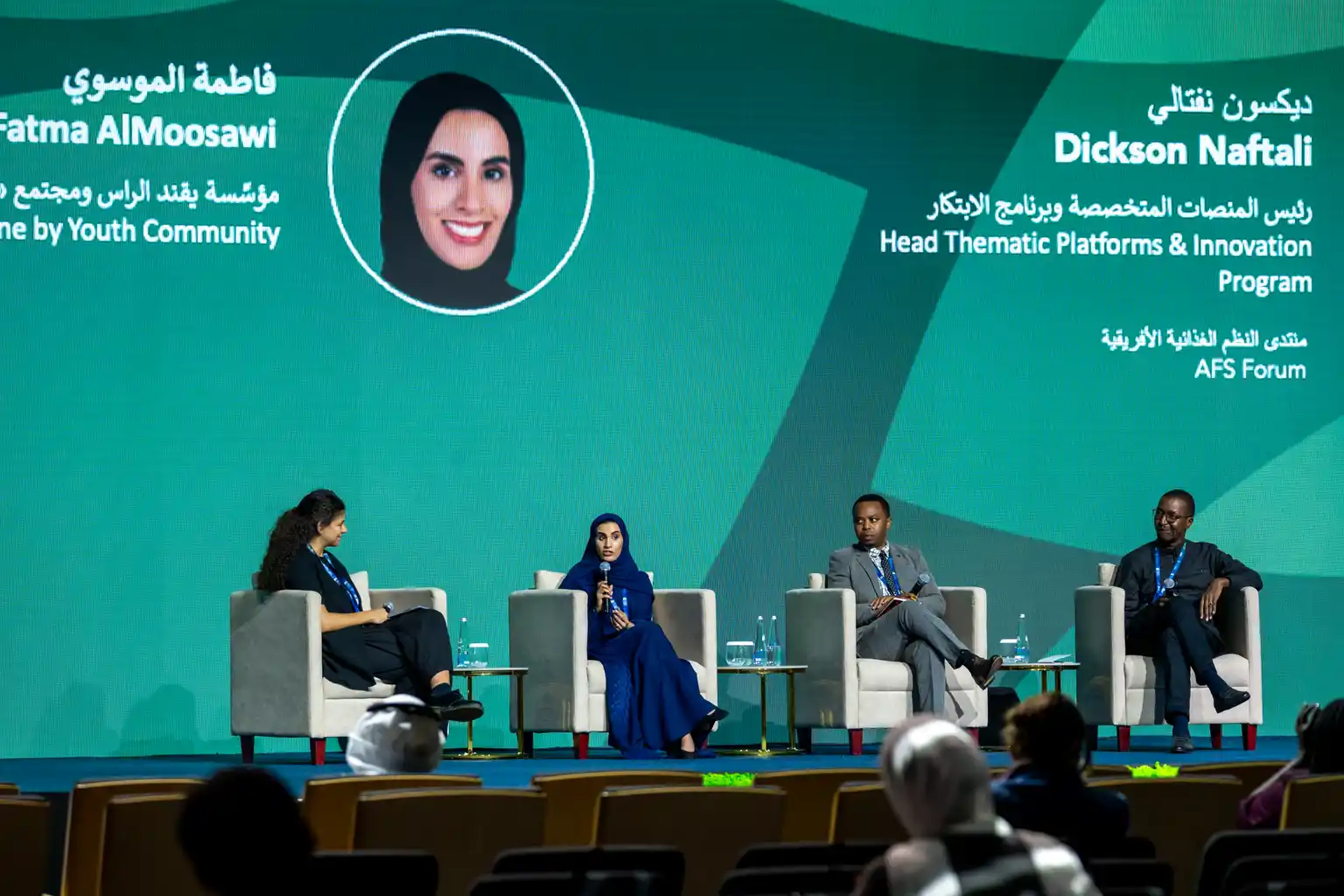
The second edition of the Global Food Security Summit concluded at Global Food Week 2026, bringing together international organisations, financial institutions, investors, industry leaders, researchers and innovators to address the challenges shaping global food systems. Day two focused on innovation, technology and future systems, exploring how AI, digital infrastructure, resilient supply chains, sustainable water management and strategic partnerships are shaping the future of food security. Over two days, the Global Food Security Summit highlighted the importance of international collaboration, investment and innovation in building more resilient, sustainable and efficient food systems capable of meeting the needs of a growing global population.
Day two of Global Food Week saw the FAO Policy Majlis kick off its programme with a session on Agrifood Systems under Pressure: Evidence and Opportunities, moderated by Ahmad Mukhtar, Subregional Coordinator for the GCC States and Yemen and FAO Representative in the United Arab Emirates. Speakers included Dr Abdulhakim Elwaer, Assistant Director-General/Regional Representative and Regional Representative for the Near East and North Africa; H.E. Dr Mohammed Salman Al-Hammadi, Assistant Undersecretary for the Food Diversity Sector, Ministry of Climate Change and Environment, United Arab Emirates; Prof. Anas A. Al-Nabulsi, Chairperson of the Committee on World Food Security; Bérangère Boëll, UN Resident Coordinator for the United Arab Emirates; and David Laborde, Director of Agrifood Economics Division, FAO.
The discussion examined pressures on food systems in the region, including climate change, supply-chain disruption and economic uncertainty. Speakers highlighted the need for stronger resilience, better data and analytics, de-risked investment to attract private capital, and greater investment in education and youth leadership.
Day two of Global Food Week featured several discussions at the Farmers Majlis, providing a dedicated platform for dialogue, collaboration and knowledge exchange with the UAE farming community. At the same time, the AgriTech Forum showcased pioneering technologies, sustainable farming practices and transformative research that are helping to shape the UAE’s food security landscape. Together, these initiatives within the AgriTech and Farmers Sector reflect Global Food Week’s commitment to supporting local agriculture, fostering innovation and strengthening the resilience and sustainability of the nation’s food systems.
The Hosted Buyers Programme recorded strong attendance from regional and international buyers, providing a dedicated platform for targeted business matchmaking. Through curated meetings with exhibitors and industry stakeholders, the programme helped drive commercial discussions, strengthen partnerships and create new opportunities for trade and investment.
At the Abu Dhabi Honey Symposium a session highlighted the practical applications of Apitherapy. Alina-Felicia Váradi, an Api-Nutritionist and Apitherapy specialist, explored the principles and applications of apitherapy, highlighting the role of bee-derived products in supporting health and wellbeing. Drawing on more than 15 years of practical experience, she discussed the therapeutic properties of honey, propolis, pollen and royal jelly, and explained how these natural products are used within complementary health practices.
A key focus of the session was the use of propolis inhalation systems designed to support respiratory health by dispersing microscopic particles of propolis into the air. Váradi outlined how these systems have been used in wellness and recovery programmes, particularly in relation to respiratory function and overall immune support. She also examined the importance of sourcing high-quality bee products and preserving their natural bioactive compounds.
The session further explored historical and contemporary research into honey’s potential health applications, particularly in relation to eye care. Through a series of case studies, Váradi shared examples of individuals who incorporated honey and other bee products into broader wellness routines, illustrating the longstanding interest in the therapeutic potential of hive-derived products.
New to this year’s edition, the Beverage Zone features interactive masterclasses led by expert baristas and coffee specialists. Through live demonstrations, visitors can discover the art of preparing Ethiopian coffee, traditional karak, matcha and a range of speciality beverages. Complemented by tasting sessions, the zone offers attendees the opportunity to sample diverse flavours, explore emerging beverage trends and purchase their favourites directly from exhibitors.
The event also features the World Gourmet Show, where renowned local and international chefs present live culinary demonstrations showcasing a variety of dishes, including Chicken Cacciatore, porcini and truffle risotto, gourmet pizzas and other international specialities. Visitors can observe professional cooking techniques, engage with chefs and sample freshly prepared creations throughout the event.
Global Food Week 2026 will continue on 8 October at ADNEC Centre Abu Dhabi, bringing together policymakers, industry leaders, innovators, producers and consumers through a comprehensive programme of conferences, exhibitions, networking opportunities and interactive experiences. The event continues to reinforce Abu Dhabi’s position as a leading platform for advancing food security, agricultural innovation and international collaboration across the global food sector.