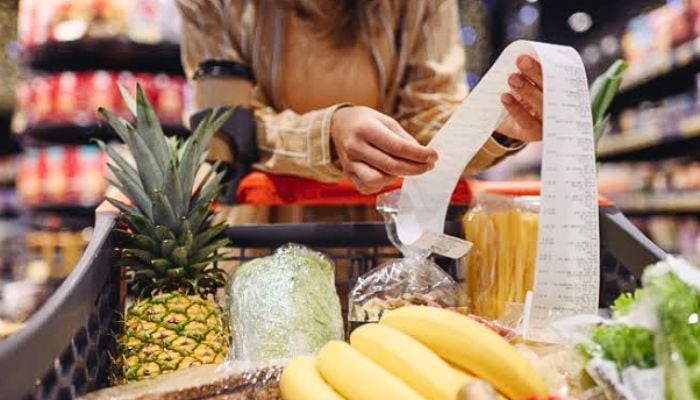
Recent report shows, global food markets face mounting price pressures as a compounding wave of geopolitical conflicts, extreme weather, and logistical bottlenecks threaten to drive up the cost of living globally through late 2026 and into 2027.
According to the World Bank, food prices in the September quarter outpaced headline inflation in 22% of the 150 countries it analyzed, up from 14% in the previous quarter.
The United Nations’ Food and Agriculture Organization (FAO) Food Price Index, which tracks monthly changes in a basket of internationally traded commodities, averaged 136 points in September, the highest reading since November 2022.
Rising prices heighten the risk of social unrest and could prompt governments that are key suppliers to impose export bans, further exacerbating shortages.
In Indonesia, rice prices have already jumped to record highs amid forecasts of delayed rains, while the cost of bread in Egypt has risen by a quarter and sugar prices in India hit an all-time high as the weakest monsoon in over a decade curbed production.
“All this has put considerable pressure on the system,” said Maximo Torero, chief economist at the FAO.
“We will see a bigger impact towards the end of the year, at the beginning of next year and potentially throughout next year.”
The world’s poorest consumers are being hit the hardest as food prices rise sharply in low- and middle-income countries across the Middle East, North Africa and Asia, where food accounts for a larger share of household spending.
As reported, wheat prices have spiked over 30% this year, while rice prices in major Asian exporting nations have jumped 10% to 13% despite large underlying inventories. Staple items like sugar, onions, and cooking oils are hitting record highs in key markets.
Furthermore, ongoing Red Sea shipping diversions, Black Sea grain corridor attacks, and rising oil prices have pushed freight rates up by roughly 50% on vital global routes, squeezing shipping margins and delivery timelines.
Lingering El Niño weather patterns, combined with soaring fertilizer and fuel costs driven by regional conflicts, are also severely straining agricultural production yields worldwide.
According to World Bank data, food inflation is also outpacing general headline inflation in nearly a quarter of tracked countries, heavily squeezing vulnerable consumers and heightening risks of social unrest.