With humanitarian resources running dry, critical support for millions of forcibly displaced people is under threat.
UNHCR said that two-thirds of countries hosting refugees are already severely overstretched and urgently need support to continue providing education, healthcare and shelter.
Global solidarity with those fleeing conflict and violence is weakening, the agency added.
‘No one wants to be a refugee for life’
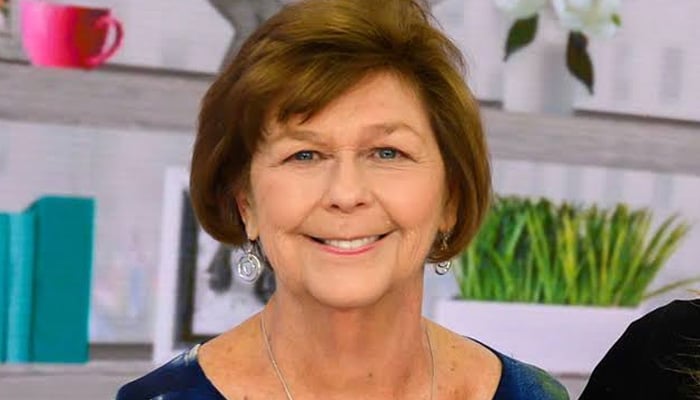
“The safety that refugees seek in neighbouring countries is at risk,” said Elizabeth Tan, Director of International Protection at UNHCR.
“Without international solidarity and burden-sharing, the institution of asylum is under threat.”
Ms Tan noted that some 12,000 Central African refugees in Chad and Cameroon have expressed a desire to return home but cannot do so safely without transport and reintegration assistance.
“No one wants to be a refugee for life,” she said.
Lifesaving services
Marking the agency’s 75th anniversary, Ms Tan reminded journalists that refugees – unlike migrants – have lost the protection of their home countries.
“They arrive across borders traumatised, often after experiencing torture or persecution, and they need specialised support – including mental health care,” she said.
Children separated from their families face especially grave risks, including recruitment by armed groups, exploitation and trafficking.
Protecting them, Ms Tan stressed, “is not a luxury – it is lifesaving.”
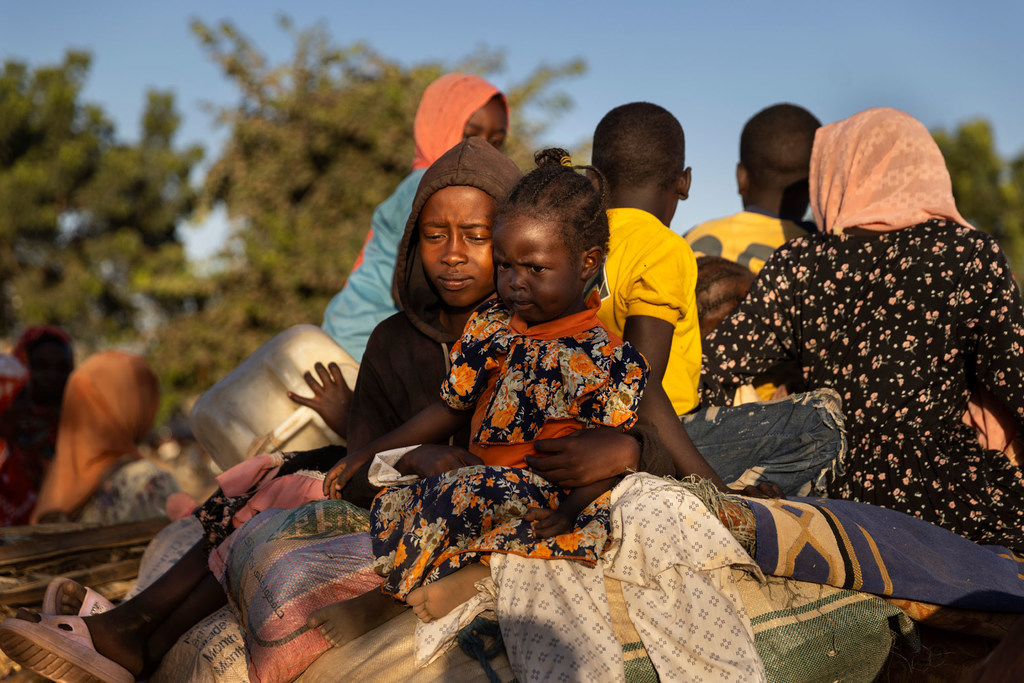
© UNHCR/Andrew McConnell
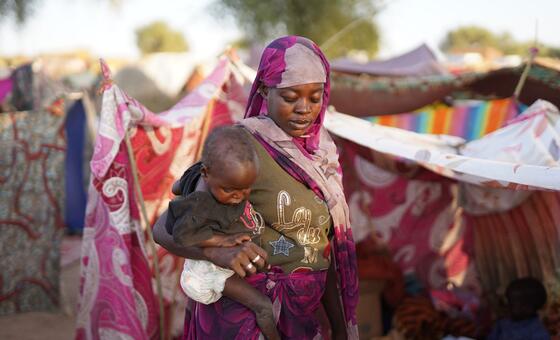
Refugees from Sudan arrive in Adre on the border with Chad.