In 2024 alone, the UN verified around 4,500 cases of conflict-related sexual violence (CRSV), though the real number is likely much higher. An overwhelming 93 per cent of survivors were women and girls.
Under international law, CRSV is recognised as a war crime, a crime against humanity, and an act that can constitute genocide. Its long-lasting impact undermines efforts to build lasting peace.
On Thursday, the UN marked the International Day for the Elimination of Sexual Violence in Conflict, highlighting the enduring and intergenerational effects of this brutal tactic.
Tactic of war
In many conflicts, sexual violence is deliberately used to terrorise, punish and humiliate civilians.
“It is used to terrorise, to punish, but also to humiliate civilians, especially women and girls,” said Esméralda Alabre, coordinator of the UN reproductive health agency’s (UNFPA) response to gender-based violence in Sudan, speaking to UN News.
But the harm does not stop with the survivors. CRSV is often used to tear apart communities and undermine social cohesion. It fragments families, spreads fear and deepens societal divisions.
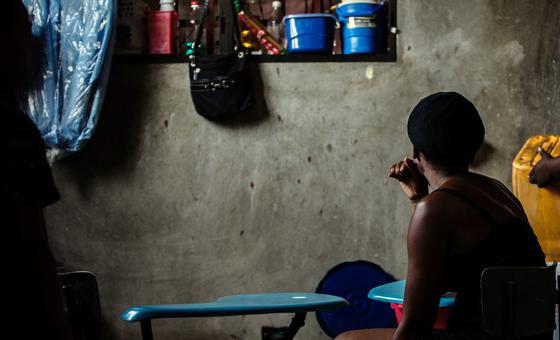
In Haiti, gangs have forced family members to rape their own mothers and wives, according to Pascale Solages, founder of a feminist organization in the country.
Women’s bodies are being turned into battlegrounds. Perpetrators aim to destroy community bonds, using rape as a tool of domination and control. Survivors are left to carry the burden of trauma, stigma and isolation, she told UN News.
Generational trauma
Many survivors are silenced by fears of reprisal and retaliation: “to break the cycle, we must confront horrors of the past,” said UN Secretary-General, António Guterres, in a statement marking the day.
Trauma is not only immediate, but also creates deep and lasting intergenerational wounds, as the cycle of violence often impacts multiple generations.
Shunned from their communities, many survivors are forced to raise children born out of rape, on their own. “It’s almost like their cries are being ignored by the world,” said Ms. Alabre.
Survivors of CRSV and their children, often excluded from education, employment, and other essential aspects of life, are pushed into poverty – further deepening their vulnerability.
“For too many women and children, war is not over when it’s over,” said the UN Special Representative who advocates for all those who experience sexual violence in conflict settings, Pramila Patten.
Need for accountability
Survivors not only have the right to safety and support, but also to justice and redress. Yet, “too often, perpetrators walk free, cloaked in impunity while survivors often bear the impossible burden of stigma and shame,” said Mr. Guterres.
The limited availability of support services, especially following recent aid cuts, stands in the way of survivors’ healing: not only is it becoming harder for survivors to hold their attackers accountable, prevention efforts are being stymied by funding cuts in many capitals since the start of the year.
“What happened to me could have been prevented,” survivors have told Ms. Patten time and time again.
Yet, in March alone, UNFPA’s Sudan office had to close 40 women and girls safe spaces, impeding efforts to provide both immediate and long-term care to survivors.
Community-based interventions, child-friendly support for child survivors’ education, and legislative policy changes play a crucial role in preventing CRSV.
“If we undermine investment in women’s recovery, we undermine investment in conflict recovery, and we all inherit a less safe world,” said Ms. Patten.