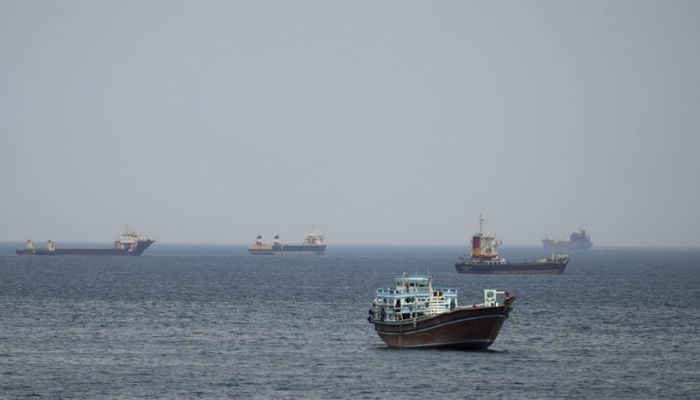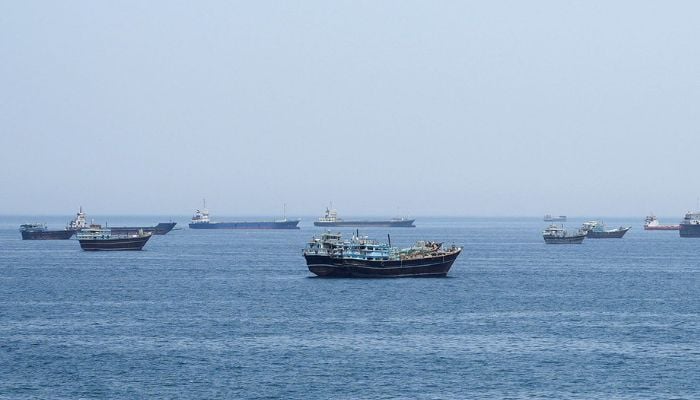
Europe is considering various proposals under which the ships may pay the navigational fees in the strait of Hormuz, opting out of the possibility of paying crude tolls that Iran is adamant to impose on the ships.
Oman, with the help of British lawyers, has proposed adapting the “Strait of Malacca” model. The model is based on voluntary contributions to fund navigational services rather than compulsory transit tolls.
Oman and various European nations stress that international law guarantees the right of transit passage and does not support compulsory fees.
Speaking at a meeting of the International Maritime Organization council in London, the Oman delegate Khamis bin Mohammed Al Shamakhi said, “Oman saw value in exploring voluntary arrangements relating to navigational support services that could further enhance maritime safety and security, protect the marine environment, reduce the risk of pollution and strengthen preparedness for maritime emergencies, including collisions and fires on board of ships and tankers.”
To make this plan work out, Oman has offered to send legal experts to Iran to explain the model in detail. In response to this plan, Iranian state media reported that foreign minister Abbas Araghchi would travel to Oman on Saturday to discuss the aforementioned plan regarding the strait.
The visit “will be focused on the strait of Hormuz and shipping safety” and is “a continuation of the consultations that we started with Oman over the past one or two months,” foreign ministry spokesman Esmaeil Baghaei said.
Here is the catch as there is internal division in Tehran. Some factions within the Islamic Revolutionary Guard Corps (IRGC) reject UN-backed international law. While the Iranian embassy in London has expressed interest in independent research on “transparent service fees” that are not “crude tolls.”
However, Qatar and others strongly oppose giving Iran sovereignty over the strait.
Qatar’s foreign ministry spokesperson, Majed al-Ansari, said, “Giving the Iranians sovereignty over the strait in a way that contradicts international maritime law will be basically agreeing to be hostages to whatever radical element that wants to take over the strait at any time.”
Since the beginning of the conflict, the Strait of Hormuz has been a major bone of contention between the US and Iran. Tehran wants to either transit the strait or the ships must follow the specific routes designed by Tehran.
The International Maritime Organization (IMO) has struggled to secure an agreement on a “southern route” to evacuate stranded vessels. While there was hope for an agreement, Tehran allegedly rescinded its approval.