“You don’t know when the war will end; you don’t know when the vessel can safely pass the Strait, so it is very difficult,” Third Officer Clarisse Bangga explained (read her testimony below).
The evacuation plan is directly linked to ongoing talks between Iran and the United States on ending their conflict, in line with a Memorandum of Understanding signed by both countries last week.
If successful, it will see the number of ships transiting through the Strait return to pre-war levels of around 130 per day, as opposed to the high twenties and thirties of recent three days. “Transits are expected to start rising now that the evacuation plan is being implemented,” IMO said.
The agency told UN News that it has begun contacting ships to begin the evacuation plan via staff on the ground. Between 500 and 600 commercial ships will be involved in the operation, so that those on board can exit the Gulf waters safely.
The agency has secured the necessary safety guarantees and verified conditions for safe navigation out of the Strait, where the shipping freeze has caused a global energy shock whose effects will be long-lasting, particularly for developing nations.
In today’s operational communiqué from IMO to shipping companies and captains, the agency identified two temporary new sea lanes that should be used to exit the Strait.
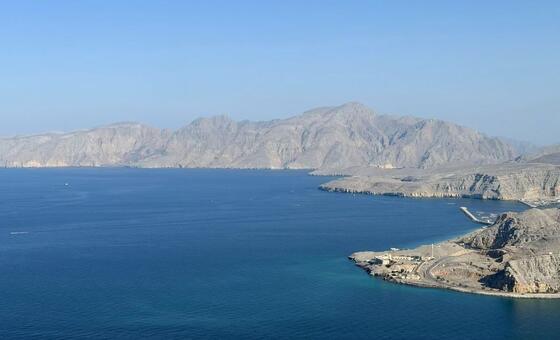
These new channels – which are distinct from the usual route taken by ships before the freeze – are the “Northern route” close to the Iranian coastline and the “Southern route” that passes through the waters of Oman and the United Arab Emirates (UAE).
“Iran and Oman are each responsible for ensuring the safety of navigation in their territorial waters,” IMO noted, adding that vessels could be halted “at any time for safety, security, or naval deconfliction purposes”.
Sea-mine risks
To allow the safe exiting of vessels and to “mitigate risks related to mines and degraded navigation conditions”, the agency stressed that its key message to shipmasters is: “do not move. Wait to be contacted. Strictly follow instructions issued by relevant coastal States… Each vessel will be assigned a transit group and allocated a specific departure day.”
A total of 14 seafarers have been killed in attacks on shipping in the Strait since the emergency in the Middle East began, while the waterway has seen massive disruption after Israeli-US bombing of Iran began on 28 February.
“After months of hardship and distress for thousands of innocent seafarers, and negative impact for the whole world, I welcome with deep satisfaction the peace agreement concluded between the United States and Iran, marking a decisive step towards restoring maritime security and bringing to an end the unacceptable attacks against civilian shipping,” said IMO Secretary-General Arsenio Dominguez in a statement on Wednesday.
A mariner’s testimony
For Third Officer Clarisse Bangga, dealing with the mental toll of being stuck on a vulnerable ship in the Strait of Hormuz is a daily challenge that can be debilitating.
“Aside from the stressful effects of the workplace itself, you have also stress from what is going around,” she said. “You don’t know when the war will end, you don’t know when the vessel can safely pass the Strait.”
Carrying out training and respecting safety protocols are an important part of preparing to sail through high-risk regions. “We have company procedures and policies…as a Third Officer, my part in that is to prepare and lead the crew to certain drills which will help everyone to know what to do in case, emergency happens. If you know your duties and responsibilities in case of an emergency, I believe everything will go smoothly,” Ms. Bangga explained.
The Filipino mariner was evacuated from her carrier earlier this month, ahead of the evacuation plan announcement. She describes the uncertainty of being trapped in the middle of a war zone as a “unique” situation that can frequently challenge a crew’s mental and emotional health.
“I don’t think anybody can really understand what it feels like to be on the war zone unless they’ve been there,” she explains. “Because as I said, you don’t know when the war will end, you don’t know when your vessel can go out safely. Every day, there are missile attacks, drone attacks, there are alerts, mobile alerts, and you really don’t know what will happen.”
Offering reassurance to those still stuck on ships trying to travel through the Strait is the best way to help them, the marine officer insists, “to help the crew on board is to help them lessen the stress when it comes to economic stress, operational stress, like that”.