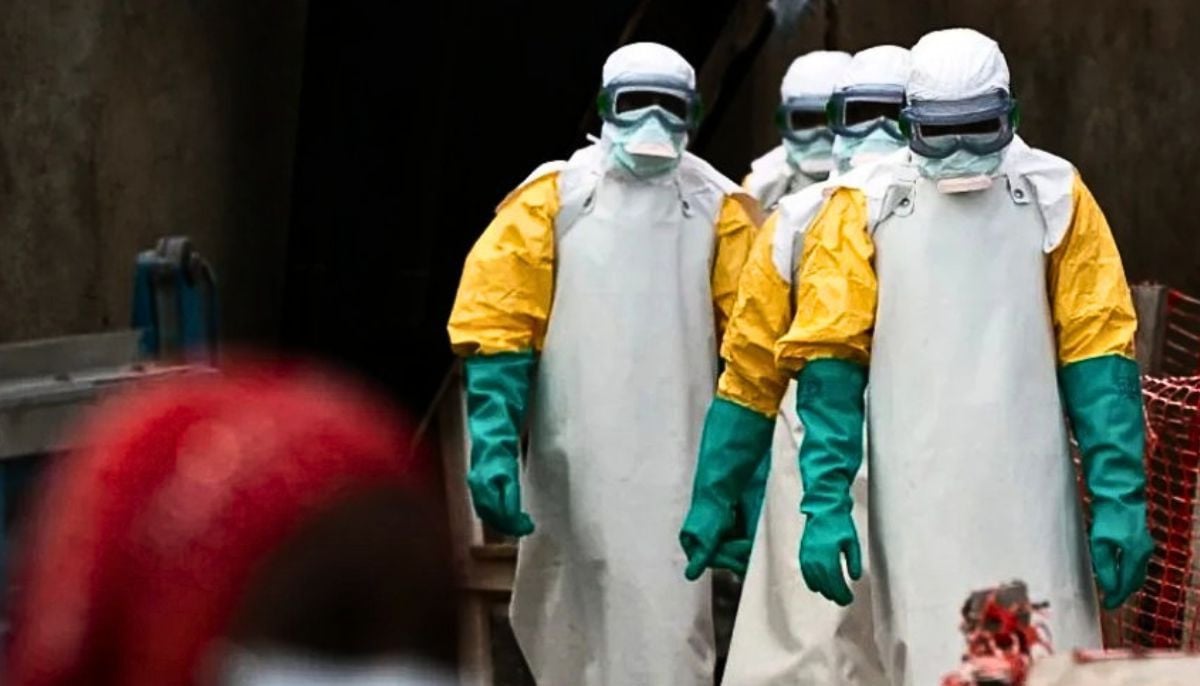
The Ebola virus outbreak has sparked global travel restrictions this week as the situation gets alarming, nearing 1000 cases.
The rare deadly strain of the Ebola virus in the Democratic Republic of the Congo and Uganda has
sparked maximum travel restrictions around the globe and prompted several governments to take action in a bid to stop the spread of the disease.
The World Health Organization WHO has recorded 220 suspected deaths and 900 suspected cases of the lethal Bundibugyo BVD strain of Ebola in DRC since Kinshasa declared the outbreak on May 15. While in Uganda, five cases and one death have been confirmed.
To restrict the virus spread, the Congolese Ministry of Transport and Communications suspended all flights to and from Bunia in eastern DRC in an attempt to contain the Ebola outbreak.
The Bunia health zone is one of 11 DRC health zones affected by the disease. Some exceptions, such as humanitarian, medical and emergency flights, may be allowed with special approval from aviation and health authorities.
Additionally, several other countries have announced travel bans and temporary border measures to contain the spread of the new strain.
Last week, the United States banned all non-citizens who had traveled to the DRC, Uganda, or South Sudan in the previous 21 days from entering the country.
On Friday, the Centers for Disease Control and Prevention CDC extended the ban to green card holders who have been in those countries in the previous 21 days.
Countries that imposed restrictions:
The United States implements screening at airports for travelers from affected West African countries.
Travelers showing symptoms may be quarantined or denied entry.
The Wall Street Journal has reported that the Trump administration is expected to deploy US public health officers to Kenya to staff a potential quarantine facility, intended for Americans who have been exposed to or are at high risk of testing positive for the virus in the region, as well as for those who have already tested positive.
European Union countries, including the UK, Germany, and France, conduct airport screening for arrivals from outbreak zones and issue travel advisories warning against non-essential travel to affected regions.
Some Middle Eastern countries, the UAE and Saudi Arabia, require health certificates for entry from affected areas, while temporary restrictions on travelers from outbreak regions may apply.
In addition to that, African countries neighboring outbreak zones often implement border screening and temperature checks, while in some cases, entry bans for travelers from highly affected districts are imposed.
Furthermore, Asian countries like Singapore and Japan monitor travelers from outbreak regions and may require self-reporting or quarantine if symptomatic.
Residents from those countries will be unable to travel to Canada for 90 days from Wednesday.
Moreover, the Canadian government said Canadian citizens, permanent residents, and other foreign nationals who have been in affected areas in recent weeks must quarantine for 21 days from May 30, even if they do not show symptoms.
Entry screening at airports, borders and necessary protocols:
Many countries introduce health screening for travelers arriving from affected regions. This can include temperature checks, health questionnaires, and monitoring for symptoms.
Travel bans or restrictions from affected areas:
Some governments temporarily restrict or suspend travel from countries or regions experiencing active Ebola transmission, especially for non-citizens or non-essential travel.
Health reporting requirements:
Travelers from affected regions may need to report daily health status and Provide contact details for tracing purposes
Visa restrictions:
Certain countries may delay or suspend visa issuance for people traveling from high-risk areas during an outbreak.
Mandatory quarantine or monitoring:
Travelers who have recently been in outbreak zones may be required to Self-isolate for a set number of days often 21 days or the incubation period and undergo active health monitoring by health authorities