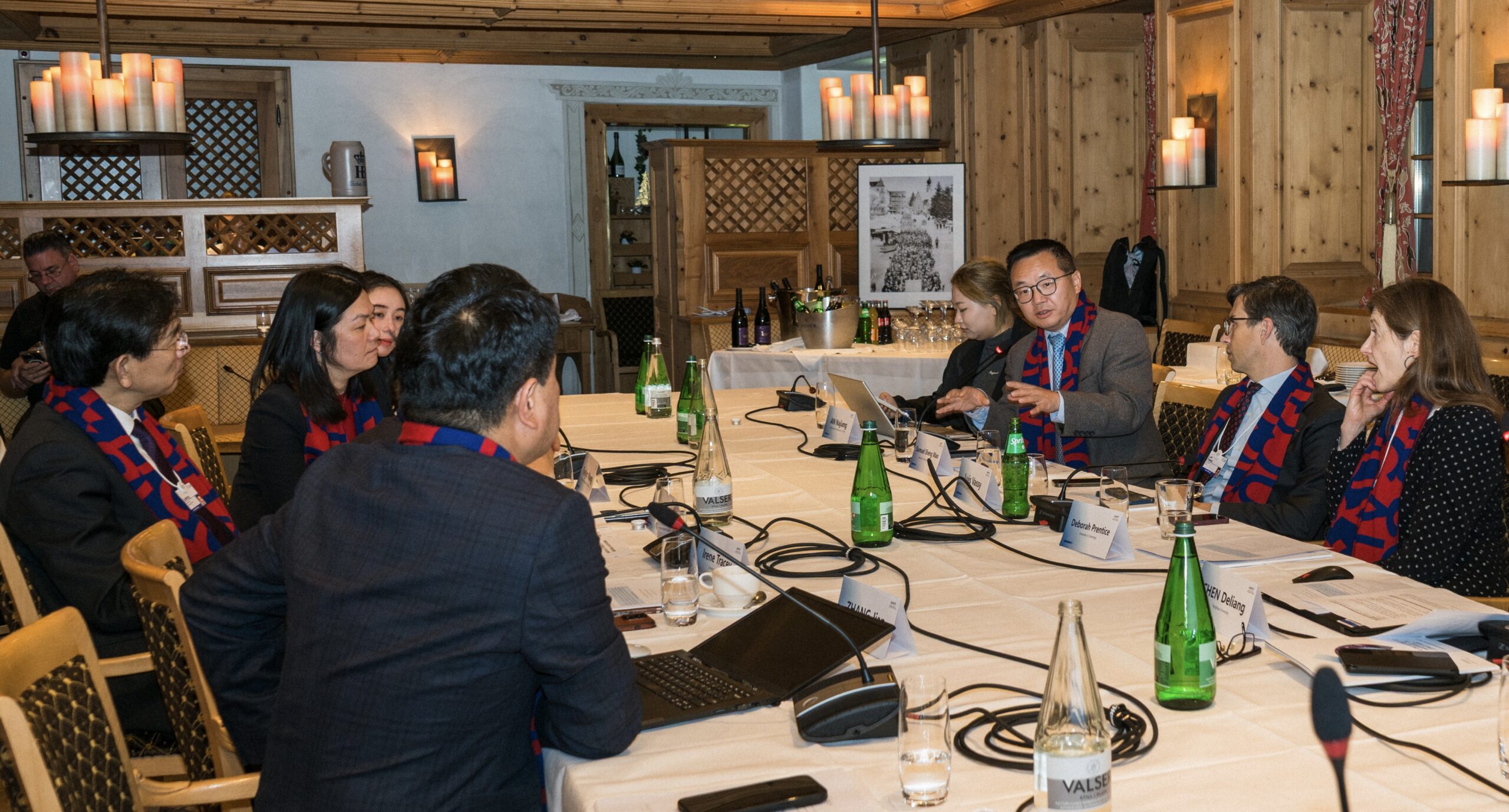
Advanced Ocean and Cryosphere Research by Polar Research Center at Khalifa University and Emirates Polar Program Highlighted at World Economic Forum in Davos.
Focus on Role of Global Alliance of Universities on Climate as Valuable Platform for Coordinating University-Led Research of Polar Regions
Abu Dhabi(News Desk): – Advanced research projects initiated by the Polar Research Center, established under the UAE’s Emirates Polar Program at Khalifa University of Science and Technology, were highlighted at World Economic Forum (WEF) in Davos,Switzerland.
On the sidelines of the WEF Annual Meeting in Davos, at a high-level annual meeting of leaders of higher education organized by the Global Alliance of Universities on Climate (GAUC), Professor Samuel Mao, member of Polar Research Centre’s management team, Director,
ASPIRE Research Institute for Sustainability, and Professor of Practice, Department of Mechanical and Nuclear Engineering, introduced Polar Research Center and its activities.
Participants of the high-level meeting included presidents of the University of Cambridge, which hosts Scott Polar Research Institute – the world’s oldest academic center for polar research, the Paris Institute of Political Studies (Paris Po), which launched the Paris Climate School in July, 2025, and Tsinghua University, which deployed the world's first large-scale clean energy system in Antarctica in March, 2025.
Professor Samuel Mao highlighted the role of global academic alliances such as the Global Alliance of Universities on Climate as valuable platforms for coordinating university-led research of climate change affecting polar regions. He said: “A united front of international collaboration to address issues such as rising sea levels and melting ice caps will be necessary. Although the impacts of climate change in polar regions have been recognized, there has only been fragmented research so far, which continues to hinder a comprehensive and complete understanding of the climate change impact. Additional challenges stem from the operational realities of polar research, including limited seasonal access, demanding field conditions, and the need for coordinated, long-term international research efforts.
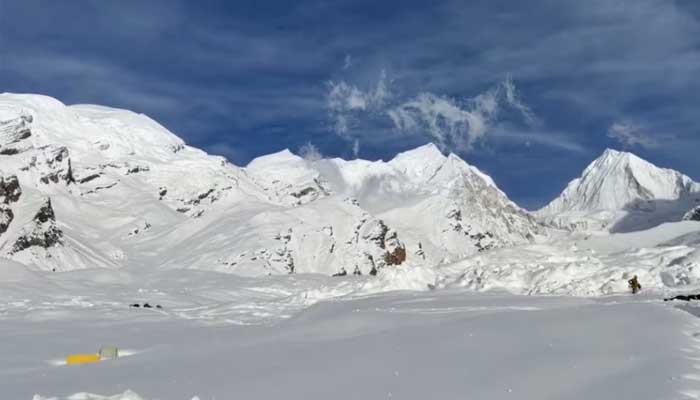
“As the cryosphere, which includes glaciers, ice sheets, sea ice, and permafrost, is melting and thinning at accelerating rates, water from melted ice sheets and glaciers drives global sea level rise, while declining sea ice reduces the planet’s reflectivity, further amplifying warming. These interconnected changes disrupt ecosystems, threaten coastal communities, and destabilize climate patterns worldwide, underscoring the urgent need for both mitigation and adaptation.”
Professor Irene Tracey, Vice-Chancellor, University of Oxford, said that fostering shared responsibility through collaboration holds greater potential to address global issues of the polar regions more effectively. Professor Evelyn Wang, MIT Vice-President for Energy and Climate,suggested a Grand Challenge Polar Initiative, a large-scale, international collaboration program targeting unique and complex challenges of climate change in the polar regions, could be considered.
The Polar Research Center at Khalifa University was also highlighted at COP30, in a workshop on ‘Oceans and Cryosphere in a Changing Climate’, chaired by Samuel Mao with panelists Dr. Aisha Al Suwaidi, an advisory committee member of the Emirates Polar Program and Associate Professor of Department of Earth Science, Khalifa University, and graduate student Mohammad Al Hamadi, the first Emirati to complete a polar ocean expedition last year. Dr. Aisha Al-Suwaidi discussed catastrophic climatic change events in the Earth’s history, and the long time-scales it takes the Earth to recover from these events. She also introduced what lessons can be taken from this type of scientific research that can contribute to present day adaptation and mitigation strategies. Khalifa University’s graduate student panelist Mohammad Al Hamadi offered his view of the importance of researching ocean and cryosphere connected to climate change,
particularly the adaptation and mitigation strategies.
Glaciologist and climate scientist, Dr. Miriam Jackson, Eurasia and Nordic Director of International Cryosphere Climate Initiative, and a research scientist of the Norwegian Water Resources and Energy Directorate, provided an authoritative overview of the latest status of
rapid transformation of the cryosphere and resulting sea level rise under climate change. Silvie Alexander, a graduate student panelist from Middlebury Institute of International Studies with a specialty in ocean and coastal resource management, discussed her work on marine carbon dioxide removal by the US National Oceanic and Atmospheric Administration (NOAA).